
Absolute rotary encoder

Maximizing Encoder Lifespan: Maintenance Tips to Avoid Downtime

Maximizing Encoder Lifespan: Maintenance Tips to Avoid Downtime

Encoders play a crucial role in industrial automation, motion control, and various other applications where precise position and speed measurement are required. A well-maintained encoder can ensure smooth operations, reduce costs, and prevent unexpected downtime. Therefore, this guide provides essential maintenance tips and best practices to maximize the lifespan of encoders while minimizing operational disruptions.

Understanding Encoders and Their Importance

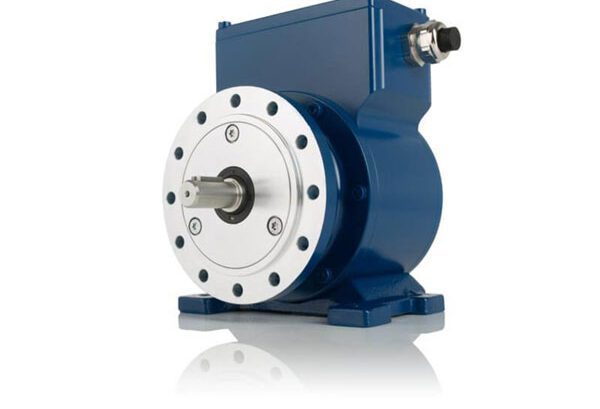
Encoders are devices that convert motion into an electrical signal that can be interpreted by a control system. They are essential in industries such as manufacturing, robotics, and material handling, providing real-time feedback for accuracy and efficiency.

There are two main types of encoders:

Since proper maintenance is critical, ensuring these devices function reliably for extended periods is necessary.

Common Causes of Encoder Failures

Understanding the primary causes of encoder failures can help in developing preventive maintenance strategies. More importantly, addressing these issues early can prevent costly breakdowns.

  1. Contamination: Dust, dirt, oil, and moisture can interfere with the encoder’s optical or magnetic components, leading to erratic signals or complete failure.
  2. Electrical Noise and Interference: Electromagnetic interference (EMI) from nearby machinery or power lines can disrupt encoder signals.
  3. Mechanical Misalignment: Improper installation or misalignment can cause excessive wear and tear on encoder components.
  4. Cable and Connector Damage: Frequent bending, stretching, or improper securing of encoder cables can result in signal loss or short circuits.
  5. Temperature Extremes: Operating encoders outside their specified temperature range can degrade components and affect performance.
  6. Vibration and Shock: Excessive vibration or mechanical shock can lead to premature failure of internal encoder parts.
  7. Power Surges: Voltage spikes or improper grounding can damage encoder electronics.

Best Practices for Maximizing Encoder Lifespan

1. Proper Installation and Alignment

A correctly installed encoder is less likely to suffer premature failure. To achieve this, follow these best practices:

  • Ensure shafts and couplings are aligned precisely to prevent undue mechanical stress.
  • Use flexible couplings to compensate for minor misalignments.
  • Secure the encoder housing firmly to avoid vibrations that could affect accuracy.
  • Avoid mounting encoders in locations where excessive heat, moisture, or contaminants are present.

2. Regular Cleaning and Inspection

Periodic cleaning and inspection can prevent contamination-related failures. As a result:

  • Use compressed air to remove dust and debris.
  • Clean optical and magnetic components with a lint-free cloth and appropriate solvent if necessary.
  • Inspect for signs of wear, corrosion, or loose components.
  • Check for unusual noises or movement when the encoder operates.

3. Protect Against Contaminants

Encoders are often exposed to harsh environments. Therefore, protective measures are essential:

  • Use sealed or IP-rated encoders for dusty, wet, or hazardous environments.
  • Implement protective covers or enclosures if operating in challenging conditions.
  • Ensure proper sealing around encoder housings to prevent ingress of contaminants.

4. Mitigating Electrical Noise and Interference

To prevent signal disruptions and erratic behavior:

  • Use shielded cables and proper grounding techniques.
  • Route encoder cables away from high-power lines and electromagnetic sources.
  • Install ferrite beads or filters on cables to reduce EMI effects.
  • Maintain a stable power supply with appropriate surge protection.

5. Secure and Maintain Cables and Connectors

Encoder failures often stem from poor cable management. To avoid this:

  • Use strain relief to prevent tension on cables and connectors.
  • Inspect cables regularly for signs of wear, kinks, or loose connections.
  • Ensure connectors are properly fastened and free from corrosion.
  • Avoid excessive bending or twisting of cables, especially near connectors.

6. Temperature and Environmental Considerations

Keeping encoders within their specified operating conditions is crucial. Therefore:

  • Install encoders away from heat sources or provide adequate ventilation.
  • Use encoders designed for extreme temperature conditions if necessary.
  • Protect against condensation by ensuring stable humidity levels.

7. Shock and Vibration Protection

Encoders mounted on high-vibration machinery require additional safeguards. Thus:

  • Use vibration-dampening mounts to minimize mechanical stress.
  • Secure the encoder housing to prevent excessive movement.
  • Choose heavy-duty encoders rated for high-shock environments when applicable.

8. Implementing a Preventive Maintenance Schedule

Proactive maintenance can extend encoder life and reduce downtime. Consequently:

  • Conduct regular performance checks to detect early signs of wear.
  • Schedule periodic inspections based on operating conditions and usage.
  • Keep detailed logs of maintenance activities to track trends and predict failures.
  • Replace worn or aging components before they fail.

9. Training and Operator Awareness

Educating personnel on proper encoder handling and maintenance enhances reliability. For instance:

  • Train staff to recognize symptoms of encoder malfunctions.
  • Establish clear guidelines for handling and installing encoders.
  • Encourage immediate reporting of any encoder-related anomalies.

Troubleshooting Common Encoder Issues

Despite best practices, occasional issues may arise. However, understanding common problems and their solutions can minimize downtime.

  1. Intermittent or No Signal Output
    • Check cable connections for looseness or damage.
    • Ensure the encoder power supply is stable and at the correct voltage.
    • Inspect the encoder housing for contamination or internal damage.
  2. Erratic or Inaccurate Readings
    • Verify proper alignment of the encoder and coupling.
    • Check for electromagnetic interference and reroute cables if necessary.
    • Inspect the encoder disk for dirt, scratches, or misalignment.
  3. Encoder Overheating
    • Ensure adequate ventilation and avoid exposure to excessive heat.
    • Verify that power and grounding connections meet the manufacturer’s specifications.
    • Replace encoders with high-temperature-rated models if necessary.
  4. Excessive Wear on Shaft or Bearings
    • Check for misalignment between the encoder and driven shaft.
    • Use high-quality couplings that allow for slight misalignments.
    • Replace bearings if excessive play or noise is detected.

Conclusion

Encoders are critical components in automation and industrial applications. By implementing proper installation techniques, preventive maintenance, and environmental protection strategies, businesses can maximize encoder lifespan and minimize costly downtime. Furthermore, regular inspections, cleaning, and monitoring can help detect potential failures early, ensuring uninterrupted operation.

By following these best practices, industries relying on encoders can enhance efficiency, improve productivity, and reduce maintenance costs, ultimately optimizing overall system performance.

fleet maintenance and certification policies.

The Future Prospects of Mining Critical Minerals in Australia

The Future Prospects of Mining Critical Minerals in Australia

Introduction

Australia has long been a global leader in mining, with vast mineral resources underpinning its economy. As the world transitions towards clean energy and advanced technologies, the demand for critical minerals such as lithium, cobalt, rare earth elements (REEs), and nickel is surging. These minerals are essential for electric vehicles (EVs), renewable energy storage, and high-tech industries. With increasing geopolitical tensions, supply chain disruptions, and the push for sustainability, Australia’s role in the critical minerals sector is evolving. Therefore, this article explores the future prospects of mining critical minerals in Australia, analyzing market trends, challenges, government policies, and technological advancements.

The Growing Demand for Critical Minerals

The demand for critical minerals is primarily driven by the following factors:

1. Electrification and Renewable Energy

The shift towards renewable energy sources and electric mobility has significantly increased the need for lithium, cobalt, and rare earth elements. Consequently, these minerals are essential for lithium-ion batteries, which power EVs, solar storage, and grid-scale energy solutions.

2. High-Tech Industries and Defense Applications

Rare earth elements are crucial for manufacturing semiconductors, medical imaging devices, and defense systems. With increasing geopolitical tensions, securing a stable supply of these materials is becoming a priority for many nations. As a result, many countries are investing in alternative suppliers to diversify their supply chains.

3. Decarbonization Initiatives

Governments worldwide are setting ambitious carbon neutrality goals, which necessitate the large-scale deployment of green technologies. In turn, this transition fuels the demand for critical minerals needed for wind turbines, solar panels, and hydrogen storage.

Australia’s Critical Mineral Reserves and Global Positioning

Australia is rich in various critical minerals, making it a key player in the global supply chain. According to Geoscience Australia, the country holds substantial reserves of lithium, nickel, cobalt, and rare earth elements. More specifically, key mining sites include:

  • Lithium: Greenbushes Mine in Western Australia, one of the world’s largest lithium producers.
  • Rare Earths: Mount Weld (WA) and the Northern Territory are home to significant REE deposits.
  • Nickel and Cobalt: Kambalda and Ravensthorpe in Western Australia are leading nickel-producing regions.

Therefore, Australia’s stable political environment, well-established mining industry, and strong regulatory framework provide a competitive advantage in the critical minerals sector.

Challenges Facing Australia’s Critical Minerals Industry

Despite its advantages, Australia faces several challenges in scaling up its critical minerals production. These challenges must be addressed to ensure long-term growth:

1. Processing and Refining Capabilities

Although Australia has abundant mineral resources, it lacks extensive refining and processing facilities. Currently, most raw minerals are exported to countries like China for further processing. Consequently, developing local refining infrastructure will be crucial to establishing Australia as a fully integrated supplier.

2. Environmental and Social Considerations

Mining operations face increasing scrutiny regarding their environmental impact. Sustainable mining practices, waste management, and water use are critical challenges that need to be addressed. Additionally, engaging with Indigenous communities and ensuring fair land use agreements are essential for ethical mining operations. Thus, companies must implement strategies that balance economic benefits with environmental responsibility.

3. Competition and Geopolitical Risks

Australia competes with other mineral-rich countries such as China, Canada, and the United States. Moreover, geopolitical uncertainties, trade restrictions, and shifting international alliances can impact market dynamics and investment decisions.

4. High Production Costs

Extracting and processing critical minerals can be costly, especially for complex rare earth deposits. Furthermore, energy-intensive refining processes, workforce shortages, and transportation logistics add to the operational costs.

Government Policies and Initiatives Supporting Critical Minerals

Recognizing the strategic importance of critical minerals, the Australian government has implemented several initiatives to support the industry. These measures are designed to enhance production capacity and secure supply chains.

1. Critical Minerals Strategy 2022-2030

The Australian government has outlined a roadmap to position the country as a reliable global supplier of critical minerals. This strategy includes investment in mining projects, research, and local processing capabilities. Consequently, it aims to boost Australia’s competitiveness in the sector.

2. Collaboration with International Partners

Australia has signed agreements with the United States, Japan, and the European Union to strengthen supply chain security. As a result, these partnerships aim to reduce dependence on single-source suppliers and create diversified global supply chains.

3. Funding and Grants

The government offers financial incentives, including grants, tax benefits, and loan guarantees, to encourage investment in critical mineral projects. Therefore, organizations such as the Critical Minerals Facilitation Office and the Northern Australia Infrastructure Facility provide funding to support infrastructure development.

4. Investment in Research and Development

Public and private sector collaborations are driving innovation in mineral extraction, processing, and recycling. Additionally, universities and research institutions are exploring new technologies to improve efficiency and sustainability in mining operations.

Technological Innovations Shaping the Future of Mining

Technological advancements are transforming the critical minerals sector, making mining operations more efficient, cost-effective, and environmentally friendly. These innovations will play a crucial role in shaping the industry’s future.

1. Automation and AI

Automated mining equipment, AI-powered analytics, and remote operations are enhancing productivity and safety. For example, companies like Rio Tinto and BHP are deploying autonomous haul trucks and AI-driven exploration tools.

2. Sustainable Mining Practices

Innovative techniques such as bioleaching, in-situ recovery, and dry processing are reducing environmental footprints. Consequently, these methods help minimize water usage, chemical waste, and carbon emissions.

3. Recycling and Circular Economy

Recycling critical minerals from end-of-life batteries and electronic waste is gaining traction. Moreover, advancements in material recovery technologies are making it possible to extract valuable minerals from discarded products, reducing reliance on virgin mining.

4. Green Energy Integration

Mining companies are increasingly adopting renewable energy solutions, such as solar and wind power, to power their operations. This shift not only helps lower carbon emissions but also aligns with global sustainability goals.

Future Outlook for Australia’s Critical Minerals Industry

The prospects for Australia’s critical minerals sector are highly promising, with several factors supporting its growth. Specifically:

  • Expanding Global Demand: As countries accelerate their clean energy transitions, demand for Australian critical minerals will continue to rise.
  • Government Support and Policy Frameworks: Strategic investments and regulatory support will enhance Australia’s position as a preferred supplier.
  • Technological Advancements: Innovations in mining, refining, and recycling will improve efficiency and sustainability.
  • Diversified Supply Chains: Strengthened international partnerships will mitigate geopolitical risks and create stable supply networks.

Key Predictions for the Next Decade

  1. Increased Local Processing and Refining Australia is expected to expand its domestic processing capabilities, thereby reducing dependence on overseas facilities.
  2. Rise of New Mining Projects Exploration and development of new critical mineral deposits will boost production capacity, further strengthening the sector.
  3. Growth in Recycling and Secondary Sourcing Recycling initiatives will become a key component of the supply chain, contributing to resource efficiency and sustainability.
  4. Stronger Role in Global Markets Australia is likely to strengthen its role as a leading supplier of ethically sourced critical minerals, particularly for EVs and renewable energy applications.

Conclusion

Australia’s critical minerals industry is poised for significant growth, driven by rising global demand, technological advancements, and strong government support. However, challenges such as processing limitations, environmental concerns, and geopolitical risks remain. Nonetheless, ongoing investments in infrastructure, innovation, and sustainability will help secure Australia’s position as a critical minerals powerhouse. Ultimately, as the world moves toward a greener and more digital future, Australia’s vast mineral wealth will play a pivotal role in shaping global supply chains and energy transitions.

Container Port Storm Safety Protocol and Concerns

Container Port Storm Safety Protocol and Concerns

Introduction

Container ports play a crucial role in global trade, handling millions of cargo units daily. However, their operations are often vulnerable to severe weather conditions, particularly storms. Therefore, from high winds and torrential rain to storm surges and lightning strikes, ports must have comprehensive storm safety protocols to mitigate damage and ensure worker safety. This article explores the essential storm safety protocols, potential concerns, and the best practices for container port storm preparedness.

The Importance of Storm Safety in Container Ports

Extreme weather events pose significant risks to container ports, causing operational disruptions, equipment damage, and safety hazards. Consequently, some of the primary concerns include:

  • Structural Damage: Strong winds can dislodge containers, topple cranes, and damage port infrastructure.
  • Flooding and Storm Surges: Heavy rainfall and rising water levels can inundate terminals, disrupting cargo handling.
  • Electrical Hazards: Lightning and power failures can lead to equipment malfunctions and operational downtime.
  • Personnel Safety: High winds and flying debris pose severe threats to workers.
  • Supply Chain Disruptions: Delays in loading and unloading cargo can impact global trade.

To mitigate these risks, ports must implement stringent storm safety protocols. As a result, effective measures can ensure operational continuity and safety.

Key Storm Safety Protocols for Container Ports

1. Early Warning Systems and Monitoring

Advanced meteorological monitoring plays a critical role in storm preparedness. Therefore, ports must rely on:

  • Weather Tracking Systems: Real-time data from meteorological agencies and satellite systems.
  • Automated Alerts: Instant notifications for approaching storms to port authorities and workers.
  • Predictive Analysis: AI-driven forecasting models to anticipate storm impact and prepare accordingly.

2. Emergency Response Plans

Every port should have a well-documented emergency response plan, which includes:

  • Designated Emergency Teams: Trained personnel responsible for coordinating responses.
  • Evacuation Protocols: Clear routes and procedures for workers during extreme weather events.
  • Communication Strategies: Multi-channel communication to ensure all stakeholders receive timely updates. Thus, everyone remains informed and prepared.

3. Container and Cargo Security

To prevent cargo loss and damage, ports should implement:

  • Stacking Procedures: Secure container stacks using locking mechanisms to reduce wind impact.
  • Tie-Down Systems: Implement reinforced lashing and anchoring systems for container stability.
  • Hazardous Material Storage: Ensure that hazardous cargo is properly stored and secured in compliance with safety regulations. Consequently, risks associated with chemical spills are minimized.

4. Infrastructure Reinforcement

Container ports should invest in:

  • Wind-Resistant Cranes: Modern cranes designed to withstand extreme wind loads.
  • Flood Barriers and Drainage Systems: Measures to prevent terminal flooding and mitigate water damage.
  • Backup Power Supplies: Uninterrupted power sources to ensure operational continuity during outages. Consequently, essential equipment remains functional.

5. Worker Safety and Training

Protecting personnel is paramount. Therefore, ports should implement:

  • Protective Gear: Ensuring all workers have access to storm-resistant clothing and safety equipment.
  • Storm Drills: Regular training exercises to prepare workers for emergency situations.
  • Shelter Areas: Designated safe zones equipped with emergency supplies. As a result, workers can seek refuge when necessary.

6. Port Equipment Maintenance and Readiness

Regular maintenance of critical port equipment ensures minimal damage during storms. This includes:

  • Routine Inspections: Checking cranes, container locks, and drainage systems.
  • Pre-Storm Equipment Securing: Locking down movable assets like forklifts and vehicles.
  • Post-Storm Damage Assessments: Rapid evaluation of infrastructure integrity after extreme weather events. Consequently, repairs can be prioritized and expedited.

7. Business Continuity and Recovery Strategies

Minimizing downtime is crucial for port operations. Therefore, recovery plans should include:

  • Rapid Damage Assessment Teams: Experts deployed immediately after the storm to assess infrastructure.
  • Backup Operations Centers: Remote coordination hubs to ensure smooth resumption of activities.
  • Supply Chain Coordination: Communication with shipping lines and logistics providers to adjust schedules accordingly. As a result, disruptions to global trade are minimized.

Major Storm Concerns for Container Ports

1. Hurricanes and Typhoons

Hurricanes and typhoons bring high winds, storm surges, and heavy rainfall. Therefore, ports in hurricane-prone regions must:

  • Have a robust evacuation and contingency plan.
  • Secure cargo well in advance.
  • Suspend operations when necessary to avoid risks to personnel and infrastructure.

2. Tornadoes and Wind Gusts

Sudden wind gusts can create chaotic conditions. Consequently, ports should:

  • Regularly inspect wind-resistant infrastructure.
  • Implement fast-response procedures for unexpected windstorms.

3. Heavy Rainfall and Flooding

Flooding can cause operational shutdowns. Therefore, key mitigation strategies include:

  • Elevated storage areas for critical cargo.
  • Drainage systems designed for rapid water displacement.

4. Lightning Strikes

Lightning poses a major risk to electronic systems and worker safety. Therefore, ports should:

  • Install lightning protection systems.
  • Establish strict grounding procedures for equipment. Consequently, electrical hazards are reduced.

5. Tsunamis and Seismic Activity

For ports near tectonic activity zones, tsunami protocols should be in place. As a result, emergency preparedness is enhanced:

  • Emergency evacuation drills.
  • Early warning system integration.

Best Practices for Storm Safety in Container Ports

Adopting Smart Technology

Integrating smart technology enhances storm preparedness. Therefore, ports should adopt:

  • IoT Sensors: Real-time tracking of container stability.
  • AI-Based Weather Forecasting: Enhanced predictive analytics.
  • Automated Alerts and Drones: Real-time inspection and surveillance. As a result, ports can respond faster to adverse weather conditions.

Collaboration with Local and International Agencies

Ports should work closely with:

  • National Weather Agencies: For up-to-date storm warnings.
  • Maritime Authorities: To regulate vessel movements in extreme conditions.
  • Disaster Relief Organizations: For emergency response coordination. Consequently, response times are improved.

Regular Review and Improvement of Protocols

Continuous improvement ensures ports remain prepared. Therefore, best practices include:

  • Annual Storm Drills: Simulating real-world scenarios.
  • Infrastructure Resilience Testing: Assessing weak points and upgrading as needed.
  • Worker Feedback Mechanisms: Incorporating insights from ground-level personnel. As a result, safety measures remain practical and effective.

Conclusion

Container port storm safety is a critical aspect of global trade resilience. By implementing robust protocols, investing in advanced technologies, and conducting regular training, ports can minimize storm-related disruptions. Therefore, proactive preparation not only protects infrastructure and cargo but also ensures the safety of port personnel. With extreme weather events becoming more frequent, container ports must remain vigilant and adaptable to changing environmental conditions.

Engineering challenges of mine winders

Engineering Challenges in Mine Winders

Engineering Challenges in Mine Winders: Overcoming the Complexities of Deep Mining Operations

Introduction

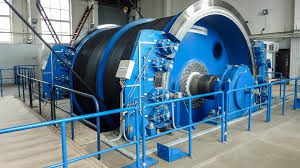
Mine winders are critical to underground mining operations, enabling the safe and efficient transportation of personnel, equipment, and extracted materials to and from the surface. These complex systems operate under extreme conditions, necessitating advanced engineering solutions to ensure reliability, safety, and efficiency. Therefore, this article explores the engineering difficulties associated with mine winders, covering mechanical, electrical, structural, and operational challenges.

Mechanical Challenges

Load-Bearing Limitations

Mine winders must support enormous loads, often exceeding hundreds of tons per cycle. Consequently, the design of the hoisting system must consider dynamic loading, shock loads, and variations in material weight. Engineers must ensure that the winder drum, shaft, and supporting structures can handle these forces without excessive wear or failure.

Friction and Wear

The components of a mine winder, including ropes, bearings, and braking systems, experience significant wear over time. In particular, high-friction points, such as the contact between the rope and sheaves, require advanced lubrication techniques and wear-resistant materials to extend service life.

Rope Fatigue and Failure

Wire ropes in mine winders experience constant stress due to tension, bending, and friction. As a result, rope fatigue is a major safety concern. Engineers must design winding systems that minimize stress points, improve rope longevity, and allow for regular inspections and replacements.

Electrical Challenges

Power Supply Reliability

Mine winders require a stable and powerful electrical supply to operate without interruptions. Otherwise, power failures can halt operations and pose serious safety risks to miners underground. Therefore, backup power systems, redundant circuitry, and energy storage solutions are essential in mitigating these risks.

Motor and Drive System Efficiency

Modern mine winders rely on high-power electric motors controlled by sophisticated drive systems. Ensuring efficiency and precise control over hoisting speeds requires advanced variable frequency drives (VFDs) and regenerative braking technologies. Consequently, these solutions optimize energy usage and improve safety.

Automation and Control Systems

With the push for digitalization in mining, automation has become crucial in modern mine winders. As a result, engineers face challenges in integrating intelligent control systems, real-time monitoring, and remote diagnostics to enhance operational efficiency and predictive maintenance.

Structural Challenges

Shaft Integrity and Stability

Mine shafts must withstand extreme geological pressures while accommodating mine winders. Therefore, the structural design of the shaft lining, headgear, and winder house must account for seismic activity, ground movement, and corrosion from moisture and chemical exposure.

Foundation and Load Distribution

The immense weight of mine winders, coupled with dynamic loading, requires robust foundations. Engineers must design reinforced concrete bases or steel structures that can handle high stresses while minimizing vibrations that could damage surrounding infrastructure. Consequently, structural integrity must be a top priority.

Operational Challenges

Safety and Emergency Protocols

Mine winders are lifelines for underground workers, making safety paramount. Thus, emergency braking systems, over-speed detection, slack rope monitoring, and fail-safe controls must be in place to prevent catastrophic accidents.

Regulatory Compliance

Mine winders must comply with stringent national and international safety regulations. For this reason, engineers must ensure that designs meet standards such as ISO 19296 and other industry-specific guidelines for hoisting equipment.

Maintenance and Downtime Reduction

Regular maintenance is essential to prevent unexpected failures. However, unplanned downtime can be costly. Therefore, engineers must develop maintenance strategies that minimize operational disruptions while ensuring all safety and performance checks are met.

Conclusion

Mine winders present significant engineering challenges that require continuous innovation to improve safety, efficiency, and reliability. By addressing mechanical, electrical, structural, and operational difficulties, engineers can ensure that these critical systems operate effectively under demanding mining conditions. Furthermore, as technology advances, automation, predictive maintenance, and material enhancements will continue to drive improvements in mine winder performance. Ultimately, these innovations will make underground mining safer and more efficient than ever before.

Port expansions and investments in Pilbara and South Australia

Maintaining Efficiency in Port Operations

Maintaining Efficiency in Port Operations: A Comprehensive Guide

Introduction

Efficiency in port operations is critical for global trade, ensuring the smooth movement of goods while minimizing costs and delays. As ports serve as key nodes in international logistics, optimizing their performance enhances economic growth and competitiveness. Therefore, this article explores the strategies, technologies, and best practices essential for maintaining efficiency in port operations.

The Importance of Port Efficiency

Port efficiency directly impacts global supply chains, influencing shipping costs, delivery timelines, and overall economic stability. Inefficient ports can lead to congestion, increased operational expenses, and environmental concerns. Consequently, by focusing on efficiency, port authorities and logistics providers can enhance throughput, reduce dwell times, and improve stakeholder satisfaction.

Key Factors Affecting Port Efficiency

Several factors determine the efficiency of port operations, including infrastructure, automation, workforce management, and regulatory compliance. Therefore, understanding and addressing these elements is crucial for achieving optimal performance.

1. Port Infrastructure and Layout

Well-designed infrastructure facilitates smoother vessel movements, cargo handling, and intermodal transfers. Specifically, key infrastructure elements include:

  • Deepwater berths, which accommodate larger vessels.
  • Efficient terminal layouts, helping to streamline cargo flow.
  • Advanced cranes and handling equipment, which allow for faster loading and unloading.
  • Adequate storage facilities, preventing congestion and delays.

Thus, investing in modern port infrastructure enhances capacity and speeds up operations, ultimately reducing bottlenecks and downtime.

2. Automation and Digitalization

Technology plays a pivotal role in improving port efficiency. More specifically, automation and digitalization reduce human errors, streamline workflows, and enhance security. Notable advancements include:

  • Automated container terminals, which use robotic cranes and driverless trucks.
  • IoT-enabled sensors, providing real-time tracking of cargo and equipment.
  • AI-driven predictive analytics, which optimize scheduling and reduce congestion.
  • Blockchain-based documentation, facilitating secure and transparent transactions.

By leveraging digital tools, ports can achieve greater accuracy, efficiency, and reliability in their operations. Additionally, these technologies help minimize delays and improve productivity.

3. Optimized Cargo Handling and Storage

Efficient cargo handling ensures quick vessel turnaround times. In particular, best practices include:

  • Standardized containerization, allowing for easy handling and stacking.
  • Dynamic slot allocation, which optimizes storage space.
  • Smart inventory management systems, providing real-time monitoring.
  • Automated conveyor systems, ensuring rapid cargo movement.

Thus, proper storage and cargo management prevent unnecessary delays and improve throughput.

4. Workforce Management and Training

A skilled workforce is essential for maintaining port efficiency. To achieve this, investing in regular training programs ensures employees are proficient in operating advanced equipment and adhering to safety protocols. Key workforce management strategies include:

  • Skill development initiatives, keeping workers updated on the latest technologies.
  • Flexible shift scheduling, aligning labor availability with peak operational times.
  • Real-time communication tools, allowing for efficient coordination of activities.

As a result, by prioritizing workforce development, ports can enhance productivity and minimize operational errors.

5. Regulatory Compliance and Environmental Sustainability

Compliance with international regulations and sustainability practices contributes to long-term port efficiency. In particular, ports must adhere to:

  • International Maritime Organization (IMO) regulations, ensuring safety and security.
  • Emissions control measures, which reduce environmental impact.
  • Waste management systems, enabling responsible disposal of industrial waste.
  • Green port initiatives, such as shore power and alternative fuels.

Implementing eco-friendly practices not only improves efficiency but also boosts a port’s reputation and operational sustainability. Consequently, sustainable strategies should be integrated into long-term planning.

Strategies to Maintain High Port Efficiency

To ensure continued efficiency, ports must adopt proactive strategies that address current challenges and anticipate future demands.

1. Implementing Smart Port Technologies

Smart port solutions integrate data-driven decision-making to enhance efficiency. Therefore, key initiatives include:

  • Digital twin technology, which simulates and optimizes port operations.
  • Big data analytics, providing predictive maintenance and demand forecasting.
  • Automated berth allocation systems, minimizing vessel waiting times.

By adopting these technologies, ports can significantly improve operational accuracy and speed.

2. Enhancing Intermodal Connectivity

Seamless integration with road, rail, and inland waterways ensures efficient cargo movement beyond the port. In particular, effective intermodal connectivity involves:

  • Dedicated freight corridors, reducing transportation bottlenecks.
  • Real-time cargo tracking systems, monitoring shipments across various modes.
  • Public-private partnerships, improving infrastructure and logistics.

As a result, stronger intermodal links enhance port efficiency by minimizing delays and optimizing transport costs.

3. Reducing Dwell Time and Congestion

Dwell time—the duration cargo spends at a port before transportation—significantly affects efficiency. Therefore, strategies to reduce congestion include:

  • Advanced booking and scheduling systems, ensuring smooth cargo arrivals and departures.
  • Data-driven traffic management systems, optimizing terminal movements.
  • Incentives for fast clearance, encouraging quicker processing.

Thus, reducing dwell time enhances port throughput and maximizes resource utilization.

4. Strengthening Cybersecurity Measures

As ports become increasingly digital, cybersecurity is a critical component of maintaining efficiency. More specifically, measures to safeguard digital assets include:

  • Regular security audits, identifying vulnerabilities.
  • Multi-layered authentication protocols, ensuring access control.
  • AI-driven threat detection, preventing cyberattacks.

Consequently, a secure digital environment ensures uninterrupted operations and protects sensitive port data.

5. Adopting Sustainable Practices

Sustainability initiatives contribute to long-term efficiency while reducing environmental impact. Therefore, effective practices include:

  • Renewable energy integration, such as solar and wind power.
  • Electrification of port equipment, lowering fuel consumption.
  • Eco-friendly dredging techniques, maintaining waterways without harming marine life.

Furthermore, sustainable operations position ports as responsible and forward-thinking hubs in global trade.

Future Trends in Port Efficiency

The evolution of port operations continues with emerging trends that promise to revolutionize efficiency. These include:

  • Autonomous ships and AI-driven logistics, enhancing predictability and reducing costs.
  • 5G-enabled port networks, facilitating faster data exchange and automation.
  • Decentralized supply chain models, leveraging blockchain for transparency and efficiency.

Thus, by staying ahead of technological advancements, ports can maintain a competitive edge and optimize global trade operations.

Conclusion

Maintaining efficiency in port operations is essential for economic stability, global trade, and environmental sustainability. By leveraging technology, optimizing logistics, investing in workforce training, and adhering to regulatory standards, ports can enhance their efficiency and remain resilient in a dynamic industry.

With continuous innovation and strategic planning, ports will play a pivotal role in shaping the future of global commerce.

1 3 4 5