
AI for Yard Optimisation

AI for Yard Optimisation

AI for Yard Optimisation – Using Data to Improve Stacking and Reduce Turnaround Time

Introduction

In today’s high-speed world of global logistics, ports and container terminals face mounting pressure to move cargo faster, safer, and more efficiently than ever before. Increasing ship sizes, fluctuating trade volumes, and space constraints make yard management a critical bottleneck in modern port operations.

Traditional yard operations rely heavily on human judgment, static planning, and reactive decision-making. However, with the explosion of data from sensors, cranes, trucks, and terminal operating systems, artificial intelligence (AI) now offers a smarter, data-driven approach to yard optimisation.

By using AI to improve container stacking, equipment dispatching, and traffic flow, ports can dramatically reduce turnaround times, boost throughput, and maximise every square metre of yard space.

This article explores how AI-driven yard optimisation systems work, the challenges they address, and the transformative benefits they deliver to modern logistics hubs.


The Complexity of Yard Management

The Yard as a Critical Link

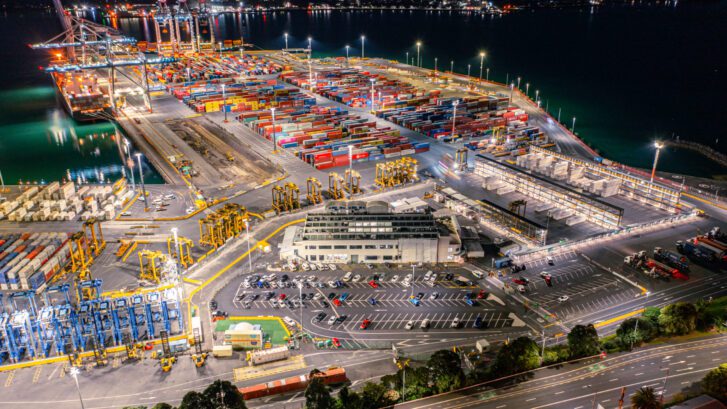
The container yard is the heart of any terminal. It serves as a temporary storage and transfer zone between vessels, trucks, and trains. Containers arrive in unpredictable patterns, vary in size and weight, and must be placed efficiently for smooth retrieval later.

Every decision—where to stack, which container to move, when to dispatch a crane—has ripple effects across the terminal. Poor stacking decisions can lead to re-handling delays, traffic congestion, and lost productivity.

The Traditional Approach

Historically, yard planning relied on rules-based systems and operator intuition. Planners manually allocated slots based on expected ship arrivals, customer priority, and cargo type.

While effective in stable conditions, this approach struggles under real-time pressure, especially when vessel schedules change or yard density reaches critical levels.

As trade volumes grow, ports can no longer afford inefficiency. AI provides the adaptive intelligence needed to transform yard management from reactive to predictive.


How AI Transforms Yard Optimisation

1. Predictive Planning

AI algorithms analyse historical and live data—such as vessel schedules, crane movements, and truck arrivals—to predict future yard states. By anticipating congestion or imbalance, the system can recommend optimal stacking patterns before problems arise.

For example, when a ship’s berthing time changes, the AI automatically recalculates container placement to minimise reshuffles. As a result, planners can make proactive adjustments rather than reactive corrections.

2. Dynamic Slot Allocation

Unlike static rules, AI uses machine learning models to adapt stacking strategies continuously. These models learn from past performance, container dwell times, and operator feedback to determine the best slot for each container.

Consequently, containers that will leave soon are placed closer to transfer points, while long-term storage is allocated deeper in the yard.

This reduces unnecessary moves, saves fuel, and shortens truck turnaround times.

3. Crane and Vehicle Coordination

AI also synchronises the activities of yard cranes, automated guided vehicles (AGVs), and trucks. By analysing movement data and operational constraints, AI schedules equipment dispatches to avoid idle time and collisions.

Through predictive analytics, the system can prioritise containers by departure urgency, ensuring smooth vessel loading and unloading. This coordination increases throughput without adding new equipment.

4. Automated Decision Support

AI systems act as intelligent assistants for yard planners. They generate optimal work orders, simulate outcomes, and even recommend alternate plans in case of disruptions.

Because the system learns continuously, its recommendations improve over time—enhancing accuracy and efficiency with every operation.


The Data Backbone: Feeding AI with Information

AI systems depend on high-quality data to function effectively. Modern ports collect vast quantities of information through various channels, including:

  • Terminal Operating Systems (TOS): Vessel schedules, yard inventory, and equipment status.

  • Sensors and IoT Devices: Crane movements, truck positions, gate operations, and yard temperatures.

  • Cameras and Vision Systems: Container identification, stacking height, and damage detection.

  • External Feeds: Weather forecasts, vessel tracking (AIS), and customs data.

By integrating these sources, AI creates a holistic, real-time picture of yard operations.

Machine learning models then use this data to identify inefficiencies, forecast demand, and optimise workflows automatically.


Benefits of AI-Driven Yard Optimisation

1. Reduced Turnaround Time

AI systems minimise unproductive container moves and equipment waiting times. As a result, trucks spend less time in queues, vessels depart sooner, and yard productivity rises.

Faster turnaround translates directly into higher customer satisfaction and better asset utilisation.

2. Higher Yard Capacity Utilisation

Through intelligent slot allocation, AI enables denser and safer stacking. Containers are placed where they can be accessed efficiently, reducing rehandling and wasted space.

Even without expanding the physical footprint, ports can handle significantly more throughput—a major advantage in land-constrained terminals.

3. Lower Operating Costs

Optimised equipment routing saves fuel and electricity. Moreover, AI reduces the need for overtime, manual scheduling, and rework. Consequently, the overall cost per container decreases substantially.

4. Enhanced Safety

AI minimises congestion and coordinates equipment movements safely. Predictive algorithms also flag high-risk areas or mechanical anomalies before accidents occur.

This proactive safety management protects personnel and reduces downtime.

5. Environmental Benefits

By reducing idle time, fuel consumption, and unnecessary movements, AI contributes directly to emissions reduction.

Combined with electric or hybrid port equipment, AI-driven optimisation supports global sustainability initiatives and compliance with environmental regulations.


Real-World Applications

Case 1: Automated Stacking Crane Operations

Several advanced ports, such as Rotterdam and Singapore, use AI to control Automated Stacking Cranes (ASCs).

The system calculates optimal stacking sequences based on ship schedules, container attributes, and equipment availability. Because AI learns from daily operations, it continually refines stacking logic, improving efficiency over time.

This approach has reduced rehandling by up to 30% and shortened vessel turnaround by several hours per call.

Case 2: Predictive Truck Scheduling

At major container terminals, truck arrival patterns can cause severe congestion. AI-powered gate systems predict peak hours and dynamically adjust gate allocations and entry timing.

As a result, yard traffic remains balanced, and waiting times are reduced by up to 40%.

Case 3: Multi-Terminal Coordination

In large port complexes, AI systems share data between terminals to coordinate container transfers. This eliminates bottlenecks and improves resource sharing across entire port ecosystems.

For example, autonomous vehicles can transport containers between terminals seamlessly under AI supervision.


Integrating AI into Existing Yard Systems

Step 1: Data Integration and Standardisation

AI requires access to accurate and consistent data. Therefore, ports must first unify their data infrastructure by integrating TOS, equipment management, and external feeds.

Data cleansing and standardisation ensure that AI models receive reliable input for analysis and decision-making.

Step 2: Pilot Projects and Model Training

AI implementation typically begins with pilot projects focused on a specific process—such as stacking optimisation or truck scheduling.

During this phase, the AI model learns operational patterns and evaluates performance against historical benchmarks. Successful pilots then expand across the terminal.

Step 3: Automation and Decision Support

Once trained, AI begins to automate routine decisions. Planners shift from manual control to strategic oversight, using dashboards to monitor performance and intervene when needed.

Step 4: Continuous Learning and Improvement

Machine learning models never stop evolving. They adapt to new patterns, equipment upgrades, and seasonal variations. As a result, performance continually improves with every cycle.


Overcoming Implementation Challenges

Data Quality and Availability

AI’s success depends on high-quality data. Incomplete or inaccurate datasets can produce unreliable recommendations.

To address this, ports must invest in sensor upgrades, data governance, and validation frameworks.

Workforce Training

AI adoption often raises concerns about job displacement. However, the goal is not replacement but augmentation. By automating repetitive tasks, AI frees operators to focus on strategic planning and oversight.

Training programs help staff interpret AI insights and use new digital tools effectively.

System Integration

AI must work seamlessly with legacy systems. Collaboration with technology providers ensures compatibility between AI modules and existing TOS platforms.

Therefore, a phased integration strategy reduces risk and maintains operational continuity.

Cybersecurity and Reliability

Increased connectivity brings greater vulnerability. Robust cybersecurity measures are essential to protect operational data and prevent disruptions.

Redundant data systems and fail-safe protocols ensure that yard operations continue even if digital systems are temporarily compromised.


The Role of Digital Twins in Yard Optimisation

A digital twin is a virtual replica of the yard that mirrors real-time operations. When combined with AI, it enables ports to simulate scenarios, test strategies, and predict outcomes before making physical changes.

Benefits of Digital Twin Integration

  • Predictive Scenario Modelling: Simulate the impact of weather, vessel delays, or equipment failures.

  • Continuous Performance Monitoring: Compare planned versus actual yard conditions.

  • Training and Visualisation: Use the twin for operator training or performance analysis.

As a result, digital twins turn AI insights into actionable intelligence—bridging the gap between data analytics and physical execution.


Measuring Success: KPIs for AI-Driven Yard Optimisation

To ensure tangible results, ports track key performance indicators such as:

  1. Truck Turnaround Time – Reduction percentage compared to baseline.

  2. Rehandling Rate – Number of unnecessary moves per container.

  3. Equipment Utilisation – Productivity of cranes, trucks, and AGVs.

  4. Energy Consumption – Decrease in fuel and electricity usage.

  5. Throughput per Hour – Increase in containers handled within a set period.

  6. Stacking Density and Accuracy – Efficient space utilisation without compromising safety.

Monitoring these metrics validates AI performance and guides continuous improvement.


Economic and Strategic Advantages

Competitive Differentiation

Ports that adopt AI gain a clear competitive edge. Reduced dwell times attract shipping lines seeking faster turnaround and reliability.

Moreover, AI-driven transparency enhances customer confidence and enables premium service offerings.

Cost Savings

Automated planning reduces overtime and manual rework. Predictive maintenance further lowers equipment repair costs. As efficiency improves, the cost per handled container decreases significantly.

Sustainability Gains

With optimised energy use and reduced congestion, AI directly supports environmental sustainability targets. This strengthens compliance with international environmental regulations and corporate ESG goals.


The Future: Fully Autonomous Yards

Autonomous Equipment Ecosystems

Future yards will operate with minimal human intervention. AI will coordinate autonomous cranes, trucks, and guided vehicles in real time.

Communication between machines (M2M) will enable seamless container movements, while human operators oversee systems remotely.

Predictive Ecosystems

AI will evolve beyond single-yard optimisation to connect the entire logistics chain. Predictive models will coordinate ship arrivals, rail transfers, and warehouse operations in one synchronised system.

Consequently, the concept of “smart ports” will extend to “smart logistics networks.”

Cloud-Based Collaboration

Cloud infrastructure will allow ports worldwide to share performance data, AI models, and predictive analytics. This global collaboration accelerates learning and efficiency across the entire shipping ecosystem.


Conclusion

AI has moved from concept to critical infrastructure in the world’s most advanced ports. By transforming yard management through predictive intelligence, automation, and real-time optimisation, ports can achieve unprecedented levels of efficiency and reliability.

As global trade accelerates and environmental expectations rise, AI-driven yard optimisation offers a sustainable path forward. It maximises capacity without expansion, reduces energy use, and delivers measurable value across the supply chain.

Ultimately, the future of port operations will belong to data-driven intelligence—where every movement, stack, and schedule is optimised by algorithms working around the clock.

With AI at the helm, ports can finally achieve what once seemed impossible: faster turnarounds, smarter stacking, and a truly connected logistics ecosystem ready for the challenges of the next industrial era.

Encoders & Feedback Systems

Encoders & Feedback Systems

Encoders & Feedback Systems – How Precision Boosts Reliability in Harsh Environments

Introduction

Industrial machinery faces one of its greatest challenges not in how much power it can generate, but in how reliably it can operate under punishing conditions. From the blazing heat of a steel mill to the salty, corrosive air of a container port, harsh environments constantly test equipment. Therefore, precision becomes the difference between operational uptime and costly downtime.

At the heart of modern reliability strategies lie encoders and feedback systems. These devices are small compared to the machines they serve, yet they play an outsized role in ensuring performance, safety, and longevity. As a result, operators and automation systems can make real-time adjustments and prevent failures before they occur.

This article explores in depth how encoders and feedback systems work, why they are indispensable in harsh environments, and how precision directly translates into reliability and efficiency.


What Are Encoders and Feedback Systems?

Defining Encoders

Encoders are electromechanical devices that convert mechanical motion—such as shaft rotation or linear displacement—into digital signals. These signals represent speed, position, or direction. In practice, two main types dominate industrial applications:

  • Incremental encoders – Provide relative motion data by generating pulses for every step of rotation or movement. They are ideal for applications that track speed and direction.

  • Absolute encoders – Provide a unique digital word for every shaft position, ensuring precise knowledge of position even after power loss.

Feedback Systems in Context

A feedback system is the broader network that incorporates encoders and other sensors into the control loop of a machine. By monitoring performance data and comparing it against desired outcomes, feedback systems enable corrective actions in real time. In other words, while an encoder tells you “where you are,” a feedback system ensures you stay on course.


The Importance of Precision

Why Accuracy Matters

Industrial machines are massive, complex, and expensive. Small deviations in motion can escalate into major problems—misaligned rolls in steel production, inaccurate crane positioning in ports, or unsafe overspeed events in mining conveyors. Because of this, encoders provide accuracy down to microns or fractions of degrees, allowing large systems to operate with the finesse of a finely tuned watch.

Precision as a Reliability Multiplier

When feedback is precise, control systems can anticipate and correct issues before they cause downtime. Consequently, this predictive capability enhances safety, efficiency, and equipment lifespan.

  • Safety – Preventing overspeed or overtravel events.

  • Efficiency – Ensuring smooth operation with minimal wasted energy.

  • Equipment life – Reducing wear by maintaining alignment and avoiding shock loads.


Harsh Environments: The True Test

Not all industrial settings are created equal. For instance, the following environments highlight why encoder and feedback system reliability is paramount:

Steel Mills

  • Extreme heat: Temperatures soar around furnaces and rolling lines.

  • Vibration: High-impact processes transmit shock loads to sensors.

  • Contamination: Dust, scale, and oil can damage standard devices.

Therefore, encoders in steel mills must be designed with heavy-duty housings, high IP ratings, and often liquid cooling options.

Ports and Container Terminals

  • Salt corrosion: The marine atmosphere accelerates rust and electrical degradation.

  • Humidity and storms: Water ingress can cripple electronics.

  • 24/7 demand: Equipment downtime directly impacts global supply chains.

As a result, feedback systems in ports are designed for corrosion resistance, sealed housings, and robust connectors to keep cranes and shiploaders moving reliably.

Mining Operations

  • Dust and debris: Fine particles infiltrate every crevice.

  • Shocks and impacts: Large, vibrating equipment stresses components.

  • Remote conditions: Failures in isolated sites are costly and slow to repair.

Consequently, encoders in mining are often specified with hybrid bearings to isolate shaft currents and shock-resistant housings.


Types of Encoders for Harsh Environments

Heavy-Duty Incremental Encoders

These are engineered to withstand vibration, dirt, and extreme mechanical loads. In addition, they often feature reinforced housings, shock-absorbing couplings, and wide temperature ranges.

Absolute Encoders with Multiturn Capabilities

In applications such as cranes or steel rolling mills, knowing exact position after a power loss is critical. Therefore, multiturn absolute encoders ensure precise recovery without recalibration.

Magnetic Encoders

Where optical systems may fail due to dust or oil, magnetic encoders thrive. For this reason, they are popular in mining and bulk handling applications.

Hybrid Solutions

Some modern encoders integrate optical precision with magnetic resilience, striking a balance between accuracy and environmental toughness. Thus, operators gain the best of both worlds.


Feedback Systems in Action

Closed-Loop Control

Encoders form the backbone of closed-loop control systems. For example, a conveyor motor’s encoder feeds back speed data to the drive. If load changes occur, the drive automatically compensates, maintaining constant speed.

Safety Systems

Overspeed switches and electronic position switches use encoder signals to trigger safety cutouts. As a result, overhead cranes, conveyors, and elevators remain safe for operators and cargo alike.

Predictive Maintenance

Modern feedback systems connect with industrial IoT platforms. Therefore, by analyzing encoder data trends, operators can predict bearing wear, misalignment, or early-stage faults before they escalate.


Engineering for Reliability

IP Ratings and Sealing

Encoders in ports often feature IP67 or higher protection, preventing dust and water ingress. Moreover, double-sealed bearings add another layer of reliability.

Bearing Isolation

Hybrid or insulated bearings prevent damaging shaft currents in variable frequency drive (VFD) systems, extending encoder lifespan. Consequently, downtime caused by premature failures is reduced.

Vibration Resistance

Vibration-proof plug-in connectors and ruggedized housings prevent disconnections even under constant shock. In addition, mechanical reinforcements keep the encoder aligned under high stress.

Materials and Coatings

Stainless steel housings and anti-corrosion coatings are common in maritime environments. Similarly, in high-heat areas, heat-resistant materials ensure performance under stress.


Industry Applications

Ports

Ship-to-shore cranes rely on encoders for precise trolley positioning. Moreover, automated stacking cranes depend on feedback systems to achieve millimeter-accurate container placement.

Steel Industry

Encoders on rolling mills control thickness and flatness. Therefore, without precision, product quality suffers and rework costs skyrocket.

Mining

Conveyors stretching kilometers long rely on encoders to synchronize drives. In addition, load haul dump trucks use encoders for safe braking and traction control.

Renewable Energy

Wind turbines employ absolute encoders to track blade pitch and yaw. Consequently, offshore turbines demand corrosion-resistant feedback systems to ensure reliability in marine conditions.


Precision and Digital Transformation

The Fourth Industrial Revolution is driven by connectivity, automation, and data analytics. Accordingly, encoders and feedback systems sit at the core of this transformation.

  • Integration with PLCs and SCADA – Real-time data sharing improves process visibility.

  • IoT and Edge Computing – Encoders now feed predictive algorithms for smart maintenance.

  • AI in Reliability – Machine learning models use encoder data to detect patterns invisible to the human eye.

As a result, precision is no longer just mechanical—it is digital, analytical, and predictive.


Future Trends in Encoder Technology

  1. Miniaturization without compromise – Compact encoders designed for tight spaces while still handling industrial loads.

  2. Wireless encoders – Reducing cable failures in moving machinery.

  3. Condition monitoring built-in – Encoders that self-diagnose health, sending early warnings.

  4. Increased safety certifications – Encoders rated to SIL (Safety Integrity Level) standards for critical applications.

  5. Sustainability focus – Longer-lasting, energy-efficient designs reduce waste and environmental impact.

Taken together, these innovations will redefine reliability for the next generation of harsh-environment applications.


Key Takeaways

  • Encoders and feedback systems ensure precision and reliability in industries like steel, ports, and mining.

  • Harsh environments demand specialized designs—high IP ratings, corrosion resistance, and vibration proofing.

  • Incremental, absolute, magnetic, and hybrid encoders each offer unique benefits for specific challenges.

  • Modern systems enable predictive maintenance, safety assurance, and digital integration.

  • Precision not only boosts reliability—it saves costs, extends equipment life, and improves safety.


Conclusion

Encoders and feedback systems may be small, but their role in industrial reliability is enormous. Indeed, in harsh environments where machines are pushed to their limits, precision feedback is the anchor that keeps operations safe, efficient, and profitable.

As industries embrace digital transformation, these devices evolve from simple signal generators into intelligent guardians of reliability. For ports striving for 24/7 uptime, steel mills fighting off heat and dust, or mines battling isolation and debris, encoders remain the unsung heroes that ensure precision is never sacrificed, no matter how tough the conditions.

Hydraulic Buffers

A Guide to RÖMER Fördertechnik’s Industrial Buffer Solutions

Introduction: The Importance of Industrial Buffers in Heavy Machinery

Industrial buffers play a crucial role in safeguarding people, structures, and equipment from excessive forces. Whether in crane systems, bulk material handling, steel mills, or port operations, the right buffer ensures controlled deceleration, energy absorption, and equipment longevity. As a result, RÖMER Fördertechnik GmbH, a leading German manufacturer, offers a wide range of high-performance buffers tailored to meet the specific demands of these industrial environments.

This article provides a comprehensive overview of RÖMER industrial buffers, their types, applications, and how to choose the correct solution based on operational requirements.


Why Buffers Are Critical in Industrial Settings

Buffers act as shock absorbers for machines and structures. When equipment like cranes, trolleys, or transfer cars reach their mechanical end positions, buffers prevent hard impacts. Without them, energy from rapid deceleration could transfer directly to the structure. Consequently, this can lead to:

  • Structural damage
  • Excessive wear and tear
  • Unnecessary downtime
  • Safety hazards

By absorbing kinetic energy and limiting peak forces, buffers enhance both safety and performance. Therefore, they are especially vital in dynamic, high-load environments like ports and heavy industries.


Overview of RÖMER Fördertechnik GmbH

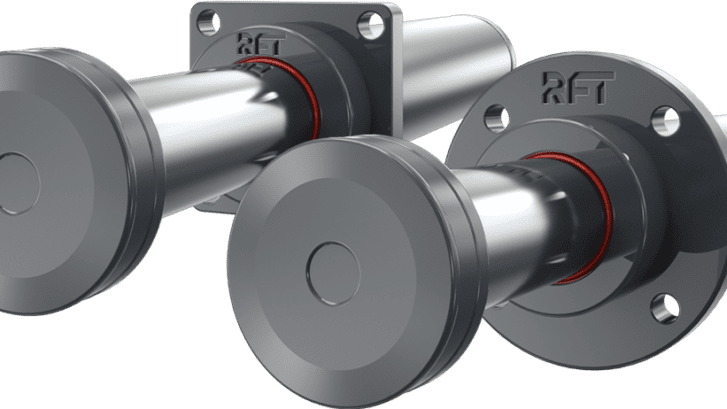
Based in Germany, RÖMER Fördertechnik GmbH (often stylized as RFT RÖMER) has decades of experience in developing damping and buffer systems. Known for their precision, durability, and adherence to international standards, RÖMER products are widely used across Europe, Asia, and Australia.

Their product range includes:

  • Hydraulic buffers
  • Elastomer buffers
  • Spring buffers
  • Special damping systems for unique applications

Notably, all RÖMER buffers are manufactured in-house and subjected to rigorous quality checks to meet ISO, DIN, and industry-specific safety standards such as EN 15522.


Types of RÖMER Buffers and Their Applications

1. Hydraulic Buffers

Purpose: These buffers absorb kinetic energy using oil displacement and hydraulic resistance. They offer high energy absorption with a compact footprint and can be fine-tuned to specific deceleration curves.

Typical Applications:

  • STS cranes
  • RTG and RMG gantries
  • Ship-to-shore cranes
  • Overhead travelling cranes
  • Automated storage systems

Advantages:

  • High energy absorption capacity
  • Long service life with minimal maintenance
  • Adjustable stroke lengths and force characteristics
  • Effective even at high speeds

Ideal When: You’re dealing with high-speed, high-mass moving equipment requiring smooth deceleration and tight control over impact forces.


2. Elastomer Buffers

Purpose: Made from synthetic rubber compounds, these buffers absorb energy through compression and elastic deformation. They’re maintenance-free and suited for smaller to mid-range applications.

Typical Applications:

  • Light crane systems
  • Conveyor stops
  • Material handling vehicles
  • Doors and gates in industrial environments

Advantages:

  • Cost-effective
  • Maintenance-free
  • Corrosion-resistant
  • Quick and easy to install

Ideal When: You need a low-cost, simple energy absorption solution for low to medium kinetic energy environments.


3. Spring Buffers

Purpose: These buffers rely on steel springs to absorb and redistribute energy. While older in design, they still serve a purpose in specific heavy-duty applications, especially where consistent damping is needed over repeated cycles.

Typical Applications:

  • Railway buffers
  • Mining trolleys
  • Foundries
  • Ship loading systems

Advantages:

  • Mechanical simplicity
  • No hydraulic fluid leakage risks
  • Long operational lifespan

Ideal When: You’re operating in harsh environments where mechanical resilience is preferred over hydraulic precision.


4. Friction Buffers

Purpose: These use internal friction elements to absorb kinetic energy. They are generally used in moderate-speed, moderate-load scenarios.

Typical Applications:

  • Heavy-duty doors
  • Steel mill end stops
  • Mobile structures with limited motion range

Advantages:

  • No need for external power
  • Simple integration
  • Can be customized for different resistance levels

Ideal When: The application requires consistent energy absorption but not necessarily the adjustability or speed control of hydraulic systems.


How to Choose the Right RÖMER Buffer for Your Application

Buffer selection isn’t just about size or type—it’s a technical decision based on dynamic load characteristics, operational speed, and impact risk. That’s why RÖMER Fördertechnik provides precise engineering support. However, it helps to understand the key process data needed for initial selection.

Key Process Data for Buffer Selection

  1. Load Mass (m)
    Total mass of the moving equipment or load, usually in kg or tonnes.
  2. Load Speed (v)
    Operational velocity at which the load is moving before impact (in m/s).
  3. Speed Factor (fv)
    A correction factor that adjusts for irregular or fluctuating speeds.
  4. Driving Force (Fₐ)
    The active force moving the load, such as motor or gravity-driven force.
  5. Energy Absorption (E)
    Total kinetic energy the buffer must absorb:
  6. Medium Deceleration (aₘ)
    Average deceleration during buffer engagement: where s is the buffer stroke.
  7. Medium Buffer Force (Fₘ)
    Average force exerted by the buffer:
  8. Maximum Deceleration (aₘₓ)
    Peak deceleration during impact.
  9. Maximum Buffer Force (Fₘₓ)
    Maximum force during the buffer’s deceleration curve.

Example Calculation

Scenario: A 40-ton container crane trolley travels at 3 m/s and must stop within a 500 mm stroke.

  • Load Mass (m): 40,000 kg
  • Load Speed (v): 3.0 m/s
  • Speed Factor (fv): 1.15
  • Energy Absorption (E): 298,350 J
  • Medium Deceleration (aₘ): 11.9 m/s²
  • Medium Buffer Force (Fₘ): 596,700 N
  • Maximum Deceleration (aₘₓ): ~20 m/s²
  • Maximum Buffer Force (Fₘₓ): ~850,000 N

Recommended Buffer: Hydraulic buffer with 600 mm stroke and corrosion protection for outdoor port use.


Real-World Applications and Case Examples

Port Cranes – Ship-to-Shore (STS)

For example, hydraulic buffers with stainless steel housing protect the trolley system against end-stop collisions. As a result, they reduce maintenance and increase safety.

Steel Mills – Transfer Cars

In this setting, spring buffers absorb kinetic loads in high-heat zones, preventing impact damage when heavy coils are transported.

Mining Rail Systems

Here, compact elastomer buffers resist dirt and moisture underground while protecting trolleys in confined rail environments.


Maintenance Considerations

  • Check for oil leaks in hydraulic systems
  • Inspect stroke damage regularly
  • Replace seals at intervals
  • Validate preload settings

RÖMER provides spare parts and technical support for long-term reliability. Therefore, maintaining performance is straightforward and cost-effective.


Custom Engineering Services

RÖMER engineers offer:

  • Custom buffer designs
  • Mounting and interface solutions
  • Energy calculation support
  • Dynamic simulations

As a result, clients receive solutions tailored to their exact needs.


Sustainability and Longevity

  • Recyclable materials
  • Low-emission manufacturing
  • Maintenance-friendly architecture

Choosing the right buffer reduces replacements and environmental impact. Furthermore, it promotes long-term sustainability.


Conclusion: Get the Right Buffer, Get It Right the First Time

RÖMER industrial buffers are engineered to protect high-value assets and ensure operational safety. With a broad range of hydraulic, elastomer, spring, and friction buffers, and a strong engineering team, RÖMER delivers performance and peace of mind.

Key Takeaways:

  • Match buffer type to application energy and environment
  • Use process data to select the appropriate model
  • Prioritise certified, engineered solutions from RÖMER

For tailored advice and support, consult RÖMER’s technical team or your regional distributor.

Port equipment maintenance decision

Port Equipment Maintenance Decision: Repair or Replace?

Port Equipment Dilemma: Maintenance vs New Machinery – What’s the Right Move?

Introduction

Ports are the backbone of global trade, handling more than 80% of all goods moved across countries by volume. As pressure grows for ports to work faster and more reliably, operators often face a tough decision: Is it better to keep fixing old equipment or invest in brand-new machines?

This isn’t just a budgeting question. It impacts safety, productivity, downtime, and even the environment. In this article, we’ll look at the pros and cons of maintaining existing equipment versus buying new. We’ll explore costs, technology, environmental impact, and what’s best for long-term success.


1. Why Equipment Matters in Ports

Modern ports depend on heavy-duty machines like ship-to-shore cranes, rubber-tyred gantry cranes, reach stackers, and conveyor belts. These tools move containers, bulk cargo, and materials quickly and safely.

But port gear works in tough conditions—salt air, heavy loads, and long operating hours. That causes wear and tear. Good maintenance can extend the life of machines, but over time, all machines wear out. When is it smarter to replace them?


2. Why Maintenance Still Makes Sense

a) Lower Short-Term Costs

Fixing machines is usually cheaper than buying new ones. Regular upkeep—like oiling parts, replacing worn pieces, or updating software—can keep machines running well for years. This delays large spending on new machines.

b) Quicker Turnaround

Repairs are often faster than ordering and installing new machines, which can take months. This is important in busy ports where every hour counts.

c) No Extra Training Needed

Operators and tech staff already know how to use current machines. Sticking with existing equipment avoids extra training, setup time, and software adjustments.

d) Better for the Environment

Keeping what you have helps reduce waste and avoids the energy used in making and shipping new machines. Maintenance supports a more eco-friendly way of working.


3. When Maintenance Isn’t Enough

a) Repair Costs Add Up

As machines age, they need more frequent and costly repairs. Spare parts may be hard to find, and repair jobs take longer. At a certain point, fixing old machines costs more than replacing them.

b) Surprise Breakdowns

Older machines can fail with little warning—even if they’ve been serviced. These breakdowns can delay cargo handling and upset schedules, costing ports time and money.

c) Outdated Technology

Old machines may not support newer tech like automation or remote controls. Retrofitting may not be worth it or might fall short of performance expectations.


4. Why New Equipment Can Be a Game-Changer

a) More Power and Speed

New machines often work faster, carry more, and help ports handle bigger ships. Upgrading can raise a port’s capacity and boost productivity.

b) Save Energy and Cut Emissions

Modern equipment uses less fuel or runs on electricity. This helps ports cut costs, lower emissions, and meet green goals or government rules.

c) Safer to Operate

New machines come with built-in safety features like collision sensors, auto-brakes, and warning systems. This helps prevent accidents and injuries.

d) Fits with Smart Port Systems

New tools often have sensors and internet connections. They collect real-time data and help operators make better decisions, reduce downtime, and manage maintenance more effectively.


5. Why New Equipment Isn’t Always the Answer

a) High Upfront Cost

Buying new machines is expensive. Many ports don’t have the budget for large purchases unless grants or loans are available.

b) Long Wait Times

Ordering new equipment can take 6–12 months or more, depending on the supplier and customization. That’s a long time if the equipment is urgently needed.

c) Staff Training and Adjustment

New machines may require new skills or certifications. Learning to operate them safely can take time and lower short-term productivity.


6. Comparing Options: How to Decide

Deciding whether to fix or replace should not be guesswork. Instead, ports should do a full review of their options, including:

  • Total Cost of Ownership (TCO): Add up the costs of maintenance, energy use, and lost time versus the full cost of new equipment.

  • Condition of the Machine: Use tools like vibration testing or thermal scans to check how well the equipment is holding up.

  • How Critical the Equipment Is: For machines that do key tasks—like STS cranes—a breakdown has big consequences. That may justify buying new sooner.

  • Cost of Downtime: Every hour a key machine is down can mean lost cargo handling, late ships, or contract penalties.


7. Using a Hybrid Approach

A growing number of ports now mix both options—keeping some machines in use while slowly adding new ones. This smart mix may include:

  • Upgrading Old Equipment: Add new software or parts (like motors or drives) to boost performance without replacing the whole machine.

  • Replacing in Phases: Buy new equipment in steps over several years to ease the cost and transition.

  • Swapping Key Parts Only: Change out the most worn or outdated parts while keeping the rest of the machine.

  • Using Maintenance Data: Use sensors to track wear and predict problems before they cause breakdowns.


8. Environmental Factors: A Must-Have in the Decision

Green goals matter more than ever. Maintenance helps reduce waste and keep machines out of landfills, while new electric equipment can cut carbon emissions.

Governments in places like Europe and Australia now offer funding for greener upgrades. These incentives can help ports afford new gear that meets strict environmental rules.


9. Real Examples: What Leading Ports Are Doing

a) Port of Rotterdam

This busy European port uses smart maintenance tools that track performance in real time. They also invest in cleaner, more efficient machines over time to cut emissions.

b) Port Botany, Australia

Port Botany keeps older STS cranes in service but is replacing RTGs with cleaner, more modern units. This mix helps manage costs while reducing fuel use.

c) Tuas Mega Port, Singapore

Built from scratch with the latest tech, Tuas uses all-new equipment. It has remote-controlled cranes and driverless vehicles, aiming for top efficiency and zero emissions from day one.


10. Things to Think About Before Deciding

Here are key questions every port should ask before choosing to maintain or replace:

  • Can we afford the upfront cost now?

  • Will we still get parts and support for older machines in 2–5 years?

  • Do we plan to grow capacity soon?

  • Are new rules coming that would make our current machines non-compliant?

  • Is there funding available for cleaner, newer equipment?


Conclusion

There’s no one-size-fits-all answer. Maintenance keeps costs down and uses resources wisely. New machines offer speed, safety, and long-term savings. The smartest ports take a balanced view—fix what still works well, and replace what no longer meets demands.

By using real data, clear goals, and smart planning, ports can stay competitive, meet green targets, and keep cargo moving smoothly—without breaking the bank.

Importance of IP ratings for industrial machinery

Understanding the Importance of IP Ratings

Introduction

In industrial environments, machinery often faces exposure to dust, water, oil, chemicals, and extreme temperatures. Whether it’s operating in a steel mill, mining pit, processing plant, or port terminal, industrial machinery must perform reliably under tough conditions. That’s precisely where IP ratings—Ingress Protection ratings—become essential. These standardized classifications indicate how well a machine is protected from the intrusion of solid objects and liquids.

This article explains the importance of IP ratings for industrial machinery. It also outlines how to interpret them, where they are used, and why selecting the right rating significantly improves safety, performance, and equipment longevity.


What Are IP Ratings?

IP ratings are governed by the IEC 60529 standard, which is set by the International Electrotechnical Commission. Each rating begins with the letters “IP” followed by two digits:

  • The first digit (0–6) denotes protection against solid particles like dust.

  • The second digit (0–9) represents protection against liquids such as water or oil.

For example, a rating of IP67 means the equipment is completely dust-tight (6) and protected from temporary immersion in water up to 1 meter (7).

Common Industrial IP Ratings

  • IP54: Limited dust ingress protection and water spray resistance.

  • IP65: Fully dust-tight and protected against low-pressure water jets.

  • IP67: Dust-tight and immersion-resistant.

  • IP69K: Protected against high-pressure, high-temperature water jets—ideal for environments requiring frequent washdowns.

As a result, understanding these ratings is crucial when selecting machinery for various applications.


Why IP Ratings Matter in Industrial Settings

1. Improved Durability in Harsh Environments

Many industrial facilities operate in dusty, wet, or chemically aggressive environments. If machinery is not adequately sealed, particles and fluids can infiltrate enclosures, causing damage to internal systems. Consequently, using equipment with a high IP rating:

  • Reduces wear and corrosion,

  • Prevents internal component failure,

  • Extends the life of the equipment,

  • And lowers long-term maintenance costs.

For instance, encoders used on conveyors in mining operations must have at least an IP66 rating to withstand abrasive dust and moisture.

2. Enhanced Safety for Workers and Systems

In many industrial operations, safety is paramount. Machines often house electrical and mechanical components that, if exposed to liquids or particles, can create serious hazards like:

  • Electrical shorts,

  • Fires,

  • Injuries from equipment failure.

Therefore, using IP-rated machinery ensures protection for both the workforce and the systems. In explosive environments, such as those found in underground mining or petrochemical plants, this added protection becomes even more critical.

3. Regulatory and Industry Compliance

In some cases, regulatory bodies require machinery to meet specific IP ratings for use in certain environments. Failing to meet these requirements can result in:

  • Compliance violations,

  • Project delays,

  • Voided warranties,

  • And higher insurance premiums.

For example, marine and offshore industries often require outdoor-rated components with IP66 or higher to ensure resistance against salt spray and extreme weather.


IP Ratings by Industry

A. Mining Operations

Mining is among the most challenging environments for machinery. Equipment encounters dust, mud, vibrations, and high humidity. Because of this, control systems, sensors, and encoders require IP66 or IP67 protection to operate reliably underground or in open-cut sites. Moreover, these ratings help reduce downtime caused by contamination.

B. Steel Manufacturing

Steel mills generate intense heat and airborne particulates. As a result, sensors and actuators must be able to withstand hot, dusty environments. IP65 and IP67 enclosures protect against these hazards, ensuring that control electronics continue to function without the need for excessive maintenance.

C. Port and Maritime Facilities

Ports deal with rain, wind, salt-laden air, and frequent equipment cleaning. Shiploaders, cranes, and other outdoor machinery often operate around the clock in these conditions. To avoid corrosion and electronic failure, many facilities rely on IP66 or IP69K-rated components. These enclosures can handle direct water jets and prevent saltwater intrusion.

D. Food and Beverage Industry

In this sector, hygiene is non-negotiable. Equipment must be washed down regularly using high-pressure sprays and chemical solutions. Consequently, IP69K-rated systems are vital to ensure that no bacteria, debris, or fluid enters critical machinery. This protection also ensures compliance with food safety regulations.

E. Bulk Material Handling

Conveyor systems and material hoppers are frequently exposed to dust, debris, and weather fluctuations. In these environments, equipment failure can result in substantial financial losses. Therefore, using IP65 or higher-rated components keeps electronics and moving parts safe, maintaining consistent productivity.


Common IP Rating Misconceptions

1. Bigger Numbers Are Not Always Better

Although it’s tempting to choose the highest available IP rating, it’s not always necessary. Higher ratings can limit airflow and increase costs without providing additional benefits in mild environments. For example, IP69K is excessive for equipment installed in temperature-controlled control rooms.

2. Water-Resistant vs. Waterproof

It’s also important not to confuse water resistance with waterproofing. IP54 equipment can handle occasional splashes, but it cannot survive immersion. By contrast, IP67-rated gear can withstand temporary submersion—ideal for flooding-prone sites.

3. IP Ratings Don’t Last Forever

Over time, gaskets, seals, and enclosures may degrade due to UV exposure, vibration, or chemical contact. Therefore, regular inspection and maintenance are essential, even for equipment with high IP ratings. Failure to do so can lead to unnoticed failures and safety issues.


Selecting the Correct IP Rating for Your Needs

Step 1: Analyze the Environment

Start by identifying potential exposure risks:

  • Is dust or particulate present?

  • Will the equipment be subject to rain, immersion, or cleaning sprays?

  • Are chemicals or extreme temperatures involved?

Step 2: Determine Equipment Sensitivity

Next, examine which components require the most protection. Items like encoders, control panels, and sensor arrays are often vulnerable to ingress. Thus, prioritizing these in your IP selection is critical.

Step 3: Balance Protection with Practicality

Although higher ratings offer greater protection, they can also increase cost and reduce heat dissipation. Therefore, select the rating that matches your needs without overengineering the solution.

Step 4: Verify Compliance Requirements

Always check for applicable regional or industry-specific regulations. Some projects may mandate a minimum IP level for legal or insurance reasons.


Benefits of Proper IP Rating Selection

Benefit Explanation
Reduced Downtime Proper sealing keeps components operational longer, reducing unplanned outages.
Lower Maintenance Prevents contamination, minimizing the need for repairs or cleaning.
Extended Lifespan Protects internal parts from wear and corrosion.
Safer Operations Eliminates risks of electric shock, fire, or mechanical failure.
Regulatory Compliance Ensures adherence to local and international safety standards.

Real-World Example: Port Crane Retrofit

A container terminal in Brisbane experienced frequent crane encoder failures due to saltwater ingress. After upgrading from IP54 to IP66-rated encoders, failures dropped by 80%, reducing costly repairs and unplanned downtime. Additionally, operator confidence improved as equipment performance stabilized, showcasing the value of investing in appropriate IP ratings.


Future Outlook: Smart IP Solutions

The industrial sector is moving towards smarter and more sustainable sealing solutions. Some innovations include:

  • Dynamic Seals: Automatically adjust based on pressure and conditions.

  • Embedded Sensors: Monitor humidity or pressure inside the enclosure to detect breach risks.

  • Eco-Friendly Materials: Recyclable gaskets and enclosures reduce environmental impact.

These solutions not only offer better protection but also align with digital transformation goals in modern industry.


Conclusion

In summary, IP ratings are a fundamental specification that directly affects the performance, safety, and longevity of industrial machinery. Whether working in a clean indoor facility or a rugged, weather-exposed site, machinery must be matched with enclosures that offer adequate protection from ingress.

Choosing the correct IP rating saves money, prevents equipment failures, and ensures regulatory compliance. With environmental factors becoming more extreme and automation more prevalent, understanding and applying the right IP rating is more critical than ever.

Investing in machinery with suitable IP ratings isn’t just about durability—it’s about safeguarding productivity, protecting workers, and staying compliant in a fast-evolving industrial landscape.

efficiency and throughput of stackers

Efficiency and Throughput Optimization of Bulk Handling Cranes

Efficiency and Throughput Optimization of Stackers, Ship Loaders, and Reclaimer Cranes

In the world of bulk materials handling, optimizing the efficiency and throughput of machinery like stackers, ship loaders, and reclaimer cranes is critical. These machines play an integral role in port terminals, stockyards, and mining operations where high productivity and low downtime determine profitability. Therefore, this article explores strategies to maximize operational efficiency, minimize costs, and enhance throughput, while ensuring equipment longevity and reliability.

Introduction to Bulk Handling Equipment

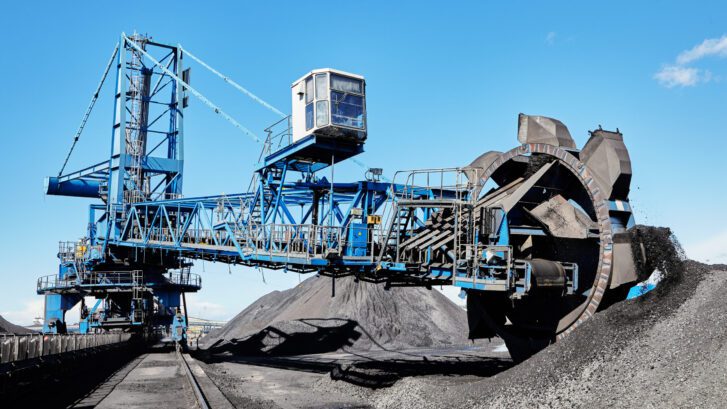
Stackers, ship loaders, and reclaimer cranes are the backbone of large-scale material handling systems. Stackers are used to pile bulk materials systematically in stockyards. In comparison, ship loaders transfer bulk materials onto vessels for export, while reclaimer cranes retrieve materials from stockpiles and deliver them for further processing or transport.

Due to their scale and operational demands, these machines require constant performance optimization to meet the growing global demand for commodities like coal, iron ore, grains, and minerals. Notably, efficiency improvements not only lead to higher output but also reduce operational costs and carbon footprints, aligning operations with modern sustainability goals.

Factors Affecting Efficiency and Throughput

Before diving into optimization strategies, it’s essential to understand the main factors influencing the efficiency and throughput of stackers, ship loaders, and reclaimers:

  • Equipment Design: The structure, materials, and capacity of machinery impact operational efficiency.
  • Maintenance Practices: Proper, regular maintenance minimizes downtime.
  • Automation and Control Systems: Smart systems improve precision and reduce human error.
  • Material Characteristics: Flowability, moisture content, and size affect handling performance.
  • Operator Skill: Well-trained operators maximize productivity and minimize risks.

By addressing each of these factors, operators can significantly enhance equipment performance.

Strategies for Optimizing Stackers

1. Implement Advanced Control Systems

Modern stackers equipped with programmable logic controllers (PLCs) and Supervisory Control and Data Acquisition (SCADA) systems allow for automated stacking patterns, precise material placement, and reduced material degradation. Consequently, advanced software can analyze stockpile geometry, optimize material layering, and manage throughput.

2. Upgrade to Variable Frequency Drives (VFDs)

VFDs allow precise control of stacker movement, reducing energy consumption and wear. Moreover, speed adjustments according to material flow conditions ensure smoother operations and minimize mechanical stress.

3. Regular Preventive Maintenance

Proactive maintenance schedules—rather than reactive repairs—ensure that minor issues are addressed before they escalate into costly breakdowns. Additionally, regular inspection of conveyor belts, gearboxes, motors, and structural components is vital.

4. Implement Stockpile Management Systems

Optimized stockpile management prevents material segregation and maximizes space utilization. Furthermore, sophisticated software can map out the most efficient stacking configurations, reducing rehandling and spillage.

Strategies for Optimizing Ship Loaders

1. High-Precision Positioning Systems

Ship loaders equipped with laser-based or GPS-based positioning systems can precisely align with a vessel’s hatch, reducing loading times and minimizing the risk of spillage. As a result, this reduces demurrage charges and enhances overall throughput.

2. Increase Machine Mobility and Flexibility

Design features like luffing booms, telescopic conveyors, and slewing mechanisms allow ship loaders to handle different vessel sizes and configurations with ease. Consequently, enhancing the loader’s range of motion improves cycle times and operational adaptability.

3. Dust Suppression Systems

Environmental compliance is a growing priority. Efficient dust suppression systems improve site safety and reduce material loss during loading operations. Therefore, water misting systems, enclosed booms, and dust collectors are effective tools.

4. Optimize Conveyor Systems

Ship loader conveyors should be designed for high belt speeds and low resistance. By using high-tension, low-weight belts and aerodynamic idlers, operators can reduce power consumption and enhance throughput.

Strategies for Optimizing Reclaimer Cranes

1. Automate Reclaiming Processes

Automated reclaimers use radar, laser scanners, and real-time data analytics to perform material recovery tasks without manual input. As a result, automation reduces operational variability and increases consistency in reclaim rates.

2. Upgrade Bucket Designs

Advanced bucket designs, such as those optimized for different material densities and moisture levels, improve material pickup efficiency and reduce spillage. Moreover, wear-resistant materials also prolong bucket life.

3. Implement Condition Monitoring

Using IoT sensors and predictive analytics, operators can monitor the health of motors, gearboxes, and structural components. Consequently, predictive maintenance prevents unexpected failures and keeps reclaimers operating at peak efficiency.

4. Optimize Path Planning

Sophisticated path planning algorithms can minimize travel distances, reduce cycle times, and prevent material degradation. Proper planning, therefore, ensures uniform material recovery and stockyard balance.

Case Studies: Efficiency Improvements in Action

Case Study 1: Stackers in a Coal Export Terminal

At a major coal export terminal, introducing automated stacking systems improved stockpile management by 25%. In addition, implementing VFDs reduced energy costs by 15%, while predictive maintenance reduced downtime incidents by 30% over a 12-month period.

Case Study 2: Ship Loader Optimization at an Iron Ore Port

A ship loader upgrade project, including the installation of an extendable boom and dust suppression systems, reduced average vessel loading times by 18%. Moreover, dust emissions dropped by 40%, helping the port achieve ISO 14001 certification.

Case Study 3: Automated Reclaimer in a Steel Plant

In a steel manufacturing facility, transitioning to an automated bucket wheel reclaimer increased throughput by 22%. Additionally, predictive analytics on gearbox performance reduced emergency maintenance events by 60%, significantly lowering operational costs.

Emerging Trends in Bulk Handling Optimization

Digital Twin Technology

Digital twins—virtual replicas of physical assets—allow operators to simulate scenarios, predict equipment behavior, and optimize performance without risking real-world assets. Consequently, they provide invaluable insights into throughput improvement strategies.

AI and Machine Learning

AI algorithms can predict material flow rates, suggest optimal loading patterns, and alert operators to anomalies before they cause issues. Furthermore, machine learning models become increasingly accurate over time, offering smarter operational strategies.

Sustainable Operations

There is an increasing demand for eco-friendly bulk handling operations. Electrification of drives, solar-powered auxiliary systems, and efficient dust management not only meet regulatory requirements but also enhance operational reputations.

Best Practices for Continuous Improvement

  1. Regular Training Programs: Equip operators and maintenance personnel with up-to-date knowledge of equipment features, safety standards, and efficiency techniques.
  2. Data-Driven Decision Making: Collect operational data through SCADA systems and IoT sensors and use it to drive continuous improvements.
  3. Cross-Functional Collaboration: Encourage collaboration between engineering, operations, and maintenance teams to identify bottlenecks and brainstorm solutions.
  4. Vendor Partnerships: Collaborate with original equipment manufacturers (OEMs) for updates, retrofits, and technical support to keep machinery at peak performance.
  5. Benchmarking and KPIs: Establish key performance indicators (KPIs) like loading rate, downtime hours, energy usage, and maintenance frequency to track progress and identify areas for improvement.

Conclusion: Building a Future of High-Efficiency Bulk Handling

Optimizing the efficiency and throughput of stackers, ship loaders, and reclaimer cranes is essential for any port, mining, or industrial operation seeking to remain competitive. By leveraging smart technologies, implementing robust maintenance programs, and investing in operator training, facilities can achieve significant improvements in operational efficiency, environmental compliance, and profitability.

In a world increasingly focused on sustainability, safety, and precision, continuous optimization is not merely a competitive advantage—rather, it is a necessity. Companies that prioritize innovation and data-driven strategies will lead the future of bulk material handling, setting new benchmarks for what these powerful machines can achieve.

Corrosion in Container Terminals and Ports

Corrosion in Container Terminals and Ports

Introduction: Why Corrosion Is a Critical Threat to Ports

Corrosion is a silent yet formidable adversary in the maritime industry. At container terminals and ports—where metal infrastructure dominates and salt-laden air is constant—corrosion can cause serious structural damage, safety hazards, and financial losses. From dockside cranes and quay walls to pipelines and storage tanks, no metallic component is immune. As trade volumes rise and equipment ages, combating corrosion becomes not just a maintenance task but a strategic imperative for port operators worldwide.


Understanding the Root of the Problem

What Causes Corrosion in Ports?

Corrosion is the electrochemical reaction between a metal and its surrounding environment, leading to degradation. In container ports, several factors exacerbate this process:

  • Saltwater exposure: Salt ions accelerate oxidation, especially on exposed steel.

  • Humidity and condensation: Coastal climates provide consistent moisture, triggering corrosion.

  • Pollution and acid rain: Industrial emissions mix with moisture to form acids that attack metal surfaces.

  • Mechanical wear: Heavy machinery causes micro-abrasions, creating entry points for corrosion.

  • Galvanic reactions: When dissimilar metals are in contact, corrosion of the less noble metal accelerates.

As a result, even routine port operations contribute to accelerated material decay.

High-Risk Areas in Ports

Ports are sprawling complexes with many vulnerable zones. Consequently, corrosion doesn’t occur uniformly but targets specific high-risk areas:

  • Quay cranes and RTGs (Rubber Tyred Gantry Cranes): These are continuously exposed to salty air and heavy mechanical loads.

  • Steel fenders and bollards: Constant vessel contact and splash zones increase corrosion rates.

  • Underground and subsea pipelines: These components suffer both internal and external corrosion.

  • Electrical panels and junction boxes: Moisture ingress can cause rust and short circuits.

  • Storage tanks and fuel lines: Standing water and acidic contaminants corrode these systems from within.


The Real-World Consequences of Corrosion

1. Safety Hazards

Corrosion weakens structural integrity over time. For instance, cracked welds, rusted joints, and brittle beams pose serious risks to operators and port workers. Therefore, early detection is vital.

2. Operational Downtime

Damaged equipment leads to unexpected breakdowns. Consequently, when cranes, conveyors, or hoists fail, entire terminal operations may halt—disrupting supply chains and productivity.

3. Increased Maintenance Costs

As corrosion progresses, costs rise dramatically. While surface rust may be inexpensive to treat, advanced structural degradation requires costly overhauls or replacements.

4. Environmental and Compliance Risks

Leaking pipelines or corroded tanks can release pollutants, thus breaching environmental regulations. Moreover, failure to address these risks often results in severe penalties.

5. Reduced Asset Lifespan

Without adequate corrosion control, infrastructure reaches its end-of-life prematurely. This not only undermines investment but also triggers early capital expenditure.


Industry-Proven Solutions to Combat Corrosion

Fortunately, corrosion can be managed. An integrated approach using modern coatings, smarter materials, and digital tools significantly reduces its impact.


1. Protective Coatings and Surface Treatments

Epoxy and Polyurethane Coatings

These coatings act as moisture-resistant barriers on steel surfaces. Typically used on cranes, tanks, and handrails, they delay rust formation.

Thermal Spray Coatings

By applying zinc or aluminium via thermal spray, ports create a sacrificial layer that corrodes in place of the base metal. As a result, equipment life is extended.

Cathodic Protection Systems

Cathodic protection, either through sacrificial anodes or impressed current, redirects electrochemical corrosion away from vulnerable structures.


2. Material Selection and Design Improvements

Use of Corrosion-Resistant Alloys

Instead of carbon steel, ports can use stainless steel, duplex steel, or even composites, which are inherently more corrosion-resistant.

Smart Engineering Designs

Proper design plays a major role. For example, sloped surfaces minimize water pooling, while sealed joints prevent moisture ingress.


3. Environmental Control Systems

Dehumidifiers in Enclosed Areas

Humidity is a major driver of corrosion. Therefore, installing dehumidifiers in cabinets and control rooms reduces condensation risks.

Drainage and Water Management

Standing water accelerates corrosion. Thus, ports must maintain efficient drainage around dock structures, walkways, and storage yards.


4. Routine Inspections and Predictive Maintenance

Visual and Ultrasonic Testing

Routine inspections, including ultrasonic testing, help detect corrosion before visible damage occurs.

Corrosion Mapping and Digital Twins

Many advanced ports now use 3D models and digital twins. These tools track corrosion progression and alert maintenance teams in real time.

Predictive Maintenance Software

Artificial intelligence is increasingly used to predict when and where corrosion will occur. Consequently, operators can plan repairs more effectively.


5. Retrofitting and Refurbishing Aging Infrastructure

Although full replacement is costly, retrofitting offers a practical alternative:

  • Recoating and sandblasting metal surfaces

  • Replacing fasteners with non-metallic alternatives

  • Installing new cathodic protection on old systems

  • Using composite repair wraps to reinforce corroded pipes

As a result, aging assets can be extended for years.


6. Partnering with Corrosion Experts and OEMs

Instead of tackling corrosion alone, many ports partner with industry leaders. For example:

  • Hempel and Jotun: Leaders in marine-grade protective coatings

  • Kalmar and Liebherr: OEMs offering anti-corrosion packages on port cranes

  • Corrosion service providers: Firms that provide audits, retrofits, and coating services

Collaboration ensures optimal protection strategies tailored to specific port conditions.


Case Studies: Global Leaders in Corrosion Management

Port of Rotterdam: Predictive Corrosion Modeling

Rotterdam uses digital asset management systems that include corrosion prediction. As a result, they’ve extended equipment lifespan and reduced downtime by 30%.

PSA Singapore: Nanotechnology Coatings

PSA Terminals applied nanotech-based coatings that resist moisture and salt intrusion. This innovation drastically reduced electrical box failures.

Port of Brisbane: Subsea Protection

Brisbane applied cathodic protection to piles and beams below water. Consequently, they cut corrosion-related repair costs by over half.


Future Technologies in Corrosion Prevention

Smart Coatings

New coatings are being developed with embedded sensors. These not only resist corrosion but also self-heal or alert operators when damage begins.

IoT and Wireless Monitoring

Internet-connected sensors monitor salt levels, humidity, and degradation in real time. As a result, ports can intervene early.

Robotics and Drones

Inspection drones now scan high cranes and hard-to-reach assets, while underwater robots inspect submerged piles—both safely and efficiently.


Building a Corrosion-Resilient Future

Corrosion is inevitable, especially in coastal environments. However, its impact can be dramatically reduced through planning, technology, and consistent action.

By understanding corrosion’s causes, assessing risk areas, and applying a mix of proactive strategies, ports can significantly reduce failures, downtime, and costs. Moreover, investing in corrosion prevention today pays off through longer asset life, enhanced safety, and better operational continuity tomorrow.

container port setups

Different Container Port Configurations and Processes

Different Container Port Configurations and Processes: Pros and Cons

Container ports are vital parts of the global trade network. They are busy hubs where land, sea, and supply chains meet. However, container ports differ greatly in their setups and working processes, depending on factors like location, funding, and expected cargo volume. Each design brings its own set of strengths and challenges. Therefore, this article dives deep into different container port setups, looks at their workflows, and discusses the pros and cons of each to help port planners, logistics managers, and industry professionals.

What Is a Container Port Configuration?

A container port configuration is the layout of port infrastructure, equipment setup, and workflow design that together move containers between ships and land transport. These designs must handle key needs like saving space, working efficiently, controlling costs, and growing over time.

A well-planned setup not only speeds up cargo movement but also cuts down costs and boosts a port’s competitive edge. Now, let’s explore the most common types.

1. Linear (Berth-Oriented) Configuration

Process Overview:

In a linear port, ships dock side by side along a straight quay or berth. Cranes, often rail-mounted, operate along the quay to move containers between ships and the terminal yard. Trucks or yard tractors then carry containers to stacking areas for temporary storage before further transport.

Pros:

  • Simple Design and Operation: The straightforward layout is easy to build and manage.
  • Cost-Effective for Medium Traffic: Building and running costs are reasonable for moderate traffic.
  • Expandable Along the Waterfront: New berths can be added in a line, boosting capacity with less disruption.

Cons:

  • Limited Waterfront Space: It needs a long stretch of shoreline, which is not always available.
  • Congestion Risks: As traffic grows, trucks and equipment can cause slowdowns.
  • Long Travel Distances: Cranes and vehicles often cover large areas, reducing efficiency.

2. Finger Pier Configuration

Process Overview:

Finger piers stick out from the shore, letting ships dock on both sides. Mobile cranes or rubber-tired gantry cranes work along the piers to load and unload containers.

Pros:

  • More Berthing Space: More ships can dock at once.
  • Better Space Use: Ideal where waterfront space is tight.
  • Flexibility: Easy to adjust for different cargo types.

Cons:

  • Complex Traffic Flows: Managing cargo and vehicles in small spaces can be tricky.
  • Higher Maintenance Costs: Piers need regular upkeep against sea damage.
  • Slower Cargo Moves: Longer distances from ship to yard can slow operations.

3. Satellite Terminal Configuration

Process Overview:

Satellite terminals are located away from the main port and linked by special roads, rail, or barges. Containers are quickly moved to these remote sites for storage, checks, or shipping.

Pros:

  • Less Main Terminal Crowding: Quay and yard space stay clear for new ships.
  • Bigger Capacity: Allows larger cargo handling without expanding the waterfront.
  • Efficient Land Use: Makes port expansion possible even in crowded cities.

Cons:

  • High Building Costs: Roads, rails, and extra systems need big investments.
  • Tougher Operations: Careful planning is needed to move goods smoothly.
  • Higher Energy Use: Moving containers between sites uses more energy.

4. Automated Port Configuration

Process Overview:

Automated ports use smart cranes, self-driving vehicles, and computer systems to handle containers with little human help.

Pros:

  • Fast Operations: Automation cuts down ship waiting times.
  • Lower Long-Term Costs: Savings from less labor and better efficiency.
  • Better Safety: Less chance of accidents between people and machines.
  • Round-the-Clock Work: Machines can run 24/7.

Cons:

  • High Startup Costs: Building an automated port is very expensive.
  • Technology Challenges: Systems need skilled upkeep and updates.
  • Job Loss Risks: Fewer traditional jobs can cause social issues.
  • Limited Flexibility: Hard to manage unusual cargo types.

5. Offshore Port Configuration

Process Overview:

Offshore ports are built on man-made islands, floating docks, or deep-water piers away from the coast. Containers move to land by shuttle barges or feeder ships.

Pros:

  • Freedom from Land Limits: Good for crowded or protected coastlines.
  • Handles Bigger Ships: Deeper waters allow larger vessels.
  • Less City Impact: Reduces noise and traffic in urban areas.

Cons:

  • Very High Costs: Building offshore facilities costs a lot.
  • Weather Risks: Storms and rough seas can delay work.
  • Extra Steps: Moving cargo to and from land adds time and risk.

6. Vertical or Multi-Level Port Configuration

Process Overview:

In crowded cities, ports can stack containers vertically using special cranes and systems.

Pros:

  • Saves Land Space: Great for small, busy areas.
  • Higher Storage: Fits more containers into less space.
  • Good for Automation: Works well with automated systems.

Cons:

  • Tough Engineering: Buildings must resist earthquakes and strong winds.
  • More Complex Operations: Extra crane moves are needed to reach stacked containers.
  • Maintenance Challenges: High structures need careful upkeep.

Factors Influencing the Choice of Port Configuration

Picking the right setup depends on many things, like:

  • Location: Natural depth, tides, and land space.
  • Expected Cargo: The number of containers expected shapes needs.
  • Available Funds: Budgets decide the size and technology level.
  • Environmental Laws: Rules can limit building near coasts.
  • Labor Issues: Worker availability and union rules.
  • Transport Links: Easy access to roads, rails, or rivers.

Emerging Trends in Container Port Development

Ports today are changing fast, becoming smart and green. Some new trends are:

  • Green Ports: Using solar energy, electric cranes, and cleaner methods.
  • Digital Twins: Virtual models to test operations.
  • Blockchain: Faster and safer cargo tracking.
  • Hyper-Automation: Robots, sensors, and AI working together.
  • Flexible Designs: Ports built to expand easily.

Conclusion

Container port setups are key to moving goods worldwide. Each type, from simple linear berths to offshore terminals, has clear strengths and weaknesses. Therefore, ports must choose wisely, keeping future growth, the environment, and new tech in mind.

In the end, there is no perfect design. The best choice fits the location, cargo needs, and budget. As global trade grows, ports that stay smart and flexible will lead the future.

Choosing the right encoder

The Ultimate Guide to Choosing the Right Encoder

The Ultimate Guide to Choosing the Right Encoder: Optical vs Magnetic vs MEMS

Are you struggling with choosing the right encoder for your industrial or automation needs? With options like optical encoders, magnetic encoders, and MEMS encoders, it’s easy to get overwhelmed. In this guide, we’ll break down each type step by step, making your decision simple and effective.


What is an Encoder?

An encoder converts motion into an electrical signal, allowing control systems to measure speed, position, or direction. Consequently, encoders are vital in industries such as:

  • Automation
  • Robotics
  • Manufacturing
  • Aerospace

Encoders fall into three main categories: Optical, Magnetic, and MEMS encoders.


Why Choosing the Right Encoder is Crucial

The wrong encoder may lead to:

  • System inefficiencies
  • Downtime
  • Costly equipment failures

Therefore, it’s essential to evaluate factors like:

  • Environmental conditions
  • Required accuracy
  • Space constraints
  • Budget limitations

Overview: Optical vs Magnetic vs MEMS Encoders

Optical Encoders: High Accuracy and Resolution

Working Principle:
Optical encoders use a light source and sensor to read patterns on a rotating disk. They can be either incremental or absolute.

Pros:

  • Very high resolution
  • Immune to electrical noise
  • Accurate position feedback

Cons:

  • Sensitive to dust, moisture, and vibration
  • Fragile components
  • Higher cost

As a result, they are best suited for robotics, CNC machines, medical devices, and clean environments.


Magnetic Encoders: Durable and Cost-Effective

Working Principle:
Magnetic encoders use magnetic fields and sensors to detect motion and position.

Pros:

  • Rugged and resistant to dust, dirt, and oil
  • Shock and vibration-resistant
  • Affordable and compact

Cons:

  • Lower resolution compared to optical encoders
  • Susceptible to external magnetic interference
  • Some temperature drift

Therefore, they are ideal for industrial machinery, automotive systems, conveyors, and mining equipment.


MEMS Encoders: Compact and Vibration-Resistant

Working Principle:
MEMS encoders use microsensors and gyroscopes to detect motion.

Pros:

  • Ultra-compact
  • Resistant to shock and vibration
  • Low power consumption
  • Cost-effective at scale

Cons:

  • Lower resolution and accuracy
  • Sensitive to temperature shifts
  • Unsuitable for ultra-precise applications

For this reason, MEMS encoders excel in consumer electronics, drones, automotive safety systems, and portable robotics.


Key Factors for Choosing the Right Encoder

1. Resolution & Accuracy

  • If your application demands high precision, choose optical encoders.
  • For medium precision tasks, magnetic encoders are ideal.
  • However, if you require compact size and lower resolution, MEMS encoders will do the job.

2. Environmental Conditions

  • In clean, controlled spaces, optical encoders perform best.
  • On the other hand, magnetic encoders withstand harsh, dirty environments.
  • Meanwhile, MEMS encoders shine in high-shock and high-vibration conditions.

3. Space & Weight Requirements

  • When space is tight, MEMS encoders are an excellent choice.
  • Conversely, heavy industrial equipment may benefit more from optical or magnetic encoders.

4. Budget Constraints

  • If cost is not a concern, optical encoders provide top-tier performance.
  • However, industrial users aiming for cost-efficiency will appreciate magnetic encoders.
  • Additionally, MEMS encoders offer the lowest cost per unit for mass production.

5. Power Consumption

  • For battery-powered systems, MEMS encoders are perfect due to low energy use.
  • In contrast, optical and magnetic encoders typically suit fixed installations with reliable power sources.

Quick Comparison Table

Feature Optical Encoder Magnetic Encoder MEMS Encoder
Resolution & Accuracy Very High Medium to High Low to Medium
Environmental Resistance Low High Very High
Cost High Medium Low
Size Medium to Large Compact to Medium Ultra-Compact
Power Consumption Medium Medium Low
Ideal Use Cases CNC, robotics, medical Industrial, automotive Drones, consumer electronics

Application-Based Recommendations

Industrial Automation:

Magnetic encoders provide durability and cost-efficiency. Thus, they are ideal for manufacturing plants and heavy machinery.

Robotics:

Optical encoders deliver precision for stationary robots. Alternatively, mobile robots can benefit from MEMS encoders due to their lightweight design.

Automotive:

Magnetic encoders suit drive systems, while MEMS encoders serve safety features like ABS and ESC.

Consumer Electronics:

MEMS encoders dominate thanks to their small size, low cost, and power efficiency.

Aerospace:

Depending on precision requirements, systems may incorporate both MEMS and Optical encoders.


Emerging Trends in Encoder Technology

  • Moreover, higher-resolution magnetic encoders are closing the gap with optical encoders.
  • Additionally, many encoders are integrating IoT compatibility for Industry 4.0.
  • Notably, MEMS technology continues to advance, improving accuracy.
  • Finally, hybrid encoders combining optical and magnetic features are becoming more common.

Conclusion: Find the Right Fit for Your Application

To recap:

  • Optical Encoders: Perfect for precision in clean environments.
  • Magnetic Encoders: Durable, suitable for rough conditions.
  • MEMS Encoders: Compact, shock-resistant, and great for portable electronics.

Therefore, by evaluating factors like accuracy, environmental conditions, budget, and space, you can confidently make the right choice.


Frequently Asked Questions (FAQs)

1. Can magnetic encoders replace optical encoders in precision tasks?
Not entirely. Although magnetic encoders have improved, optical encoders remain superior in ultra-high precision.

2. Are MEMS encoders suitable for industrial settings?
Yes, especially where vibration resistance is critical. However, they may lack the resolution needed for high-accuracy applications.

3. Which encoder is best for dusty environments?
Without a doubt, magnetic encoders perform best due to their sealed, rugged design.

Retrofitting aging port machinery

Retrofitting Aging Machinery in the Container Port Industry

Retrofitting Aging Machinery in the Container Port Industry: Cost-Effective Upgrades for Enhanced Performance

Introduction

The global container port industry faces increasing challenges due to aging infrastructure and machinery. As ports strive to maintain efficiency, safety, and competitiveness, retrofitting outdated equipment presents a viable solution. Rather than investing in costly replacements, port operators can implement targeted upgrades that improve performance, enhance reliability, and extend the lifespan of existing machinery. Therefore, this article explores cost-effective retrofitting strategies that optimize container handling operations while adhering to budget constraints.

The Need for Retrofitting in Container Ports

Modern container ports rely on various heavy-duty machines, including ship-to-shore cranes, rubber-tired gantry (RTG) cranes, rail-mounted gantry (RMG) cranes, straddle carriers, and automated guided vehicles (AGVs). Over time, these machines suffer from wear and tear, decreasing efficiency and increasing maintenance costs. Consequently, retrofitting allows port operators to integrate new technologies into existing systems, reducing downtime and operational expenses.

Several key factors drive the need for retrofitting in the container port industry:

  • Increasing Container Traffic: Ports must handle rising cargo volumes efficiently.
  • Regulatory Compliance: Environmental regulations demand lower emissions and energy-efficient operations.
  • Cost Constraints: New equipment requires significant capital investment; however, retrofitting is more budget-friendly.
  • Technological Advancements: Innovations in automation, digitalization, and energy efficiency can significantly enhance aging machinery.

Key Areas for Retrofitting

To maximize performance improvements, retrofitting solutions must be strategically implemented. The following areas offer the highest return on investment for aging machinery in container ports.

1. Electrification and Energy Efficiency Upgrades

Many older port machines rely on diesel engines, which contribute to high fuel costs and emissions. As a result, converting to electric or hybrid power systems significantly reduces operational expenses while complying with environmental standards.

  • Diesel-to-Electric Conversions: Retrofitting RTGs and straddle carriers with electric drives lowers fuel consumption and maintenance needs.
  • Energy Regeneration Systems: Installing regenerative braking in cranes allows them to capture and reuse energy, thereby reducing power consumption.
  • LED Lighting Upgrades: Replacing conventional lighting with LED fixtures on cranes and terminal infrastructure decreases energy usage and maintenance requirements.

2. Automation and Digitalization

Automation enhances efficiency and safety in container handling operations. Moreover, retrofitting legacy equipment with digital control systems and sensors enables remote monitoring, predictive maintenance, and optimized operations.

  • Remote Operation Systems: Upgrading cranes with remote control capabilities reduces the need for onboard operators, thereby minimizing labor costs and improving safety.
  • IoT Sensors and Predictive Maintenance: Implementing condition monitoring systems on motors, gearboxes, and structural components prevents unexpected breakdowns and extends equipment lifespan.
  • Automated Positioning and Tracking: Retrofitting container handling equipment with GPS and laser-based positioning systems enhances accuracy in loading and unloading operations.

3. Structural Reinforcements and Mechanical Upgrades

Over time, mechanical components degrade, leading to decreased reliability and increased downtime. Therefore, strengthening structural elements and upgrading mechanical systems ensure extended service life.

  • Replacing Worn-Out Bearings and Gearboxes: High-performance components improve machine efficiency and longevity.
  • Upgrading Wire Ropes and Hoisting Systems: Modern materials provide greater durability and reduce maintenance costs.
  • Structural Reinforcements: Strengthening key load-bearing components prevents fatigue failures in cranes and carriers.

4. Control System Modernization

Outdated control systems limit operational flexibility and responsiveness. Consequently, modernizing control interfaces enhances operator precision and machine performance.

  • PLC and HMI Upgrades: Programmable logic controllers (PLCs) with advanced human-machine interfaces (HMIs) streamline crane and conveyor operations.
  • Variable Frequency Drives (VFDs): Retrofitting cranes with VFDs improves acceleration, braking, and energy efficiency.
  • Cybersecurity Enhancements: Upgrading network security protects against cyber threats targeting port automation systems.

Benefits of Retrofitting Aging Machinery

Retrofitting offers numerous advantages for port operators seeking cost-effective solutions to improve efficiency and sustainability.

1. Cost Savings

  • Retrofitting extends the life of existing equipment, delaying expensive replacements.
  • Modernized machinery requires less maintenance, significantly reducing repair costs.
  • Energy-efficient upgrades lower operational expenses, leading to long-term savings.

2. Increased Operational Efficiency

  • Advanced automation optimizes container handling speed and precision.
  • Predictive maintenance minimizes unplanned downtime, ensuring smooth operations.
  • Digital monitoring enables real-time performance tracking and data-driven decision-making.

3. Sustainability and Compliance

  • Electrification reduces greenhouse gas emissions, thereby improving environmental responsibility.
  • Energy-efficient technologies decrease overall power consumption.
  • Compliance with global environmental standards helps avoid regulatory penalties and future fines.

4. Safety Improvements

  • Modern control systems reduce human error in cargo handling, thereby enhancing operational security.
  • Remote operation minimizes worker exposure to hazardous environments.
  • Structural reinforcements prevent equipment failures and accidents, leading to a safer workplace.

Challenges and Considerations in Retrofitting

Despite its advantages, retrofitting comes with challenges that must be carefully managed to ensure successful implementation.

1. Initial Investment and ROI Analysis

  • While retrofitting is more cost-effective than full replacements, upfront costs can be substantial.
  • Therefore, a thorough cost-benefit analysis helps determine the feasibility of proposed upgrades.

2. Integration with Existing Systems

  • Compatibility issues may arise when integrating new technologies with old equipment.
  • Ensuring seamless communication between digital control systems and legacy machinery is crucial to avoiding disruptions.

3. Downtime and Implementation Logistics

  • Retrofitting requires scheduled downtime, which may temporarily impact operations.
  • However, phased implementation strategies help minimize disruptions and maintain productivity.

4. Skilled Workforce and Training

  • Employees must be trained to operate and maintain upgraded machinery.
  • Consequently, workforce development programs ensure smooth adaptation to new technologies.

Case Studies: Successful Retrofitting in Container Ports

Several ports worldwide have successfully retrofitted aging machinery to achieve substantial efficiency gains and cost savings.

1. Port of Rotterdam: Electrification of RTG Cranes

The Port of Rotterdam implemented a diesel-to-electric conversion program for its RTG cranes. As a result, the retrofit resulted in a 50% reduction in fuel consumption and a significant drop in CO2 emissions.

2. Port of Los Angeles: Smart Crane Monitoring System

By equipping ship-to-shore cranes with IoT sensors and predictive maintenance software, the Port of Los Angeles reduced unexpected breakdowns by 30% and optimized crane utilization rates.

3. Singapore’s PSA Terminals: Automated Straddle Carrier Upgrade

PSA Singapore retrofitted its straddle carriers with automation technologies. Consequently, this improved cargo handling speed and reduced labor costs while maintaining safety standards.

Future Trends in Machinery Retrofitting for Ports

As technology continues to evolve, new advancements will further enhance retrofitting strategies in the container port industry.

1. AI-Driven Predictive Maintenance

Artificial intelligence (AI) will enhance condition monitoring by predicting failures with greater accuracy, thereby optimizing maintenance schedules.

2. 5G-Enabled Remote Operations

High-speed 5G networks will improve remote control capabilities, allowing real-time, low-latency communication for crane operations.

3. Hydrogen and Hybrid Power Solutions

Beyond electrification, hydrogen-powered equipment will emerge as a sustainable alternative for heavy port machinery.

Conclusion

Retrofitting aging machinery in the container port industry offers a cost-effective solution for improving efficiency, sustainability, and safety. By upgrading power systems, integrating automation, reinforcing mechanical components, and modernizing control systems, ports can extend the lifespan of existing equipment while minimizing operational costs. As technology continues to advance, future retrofitting efforts will further enhance container handling performance, ensuring ports remain competitive in a rapidly evolving global trade landscape.

1 2