

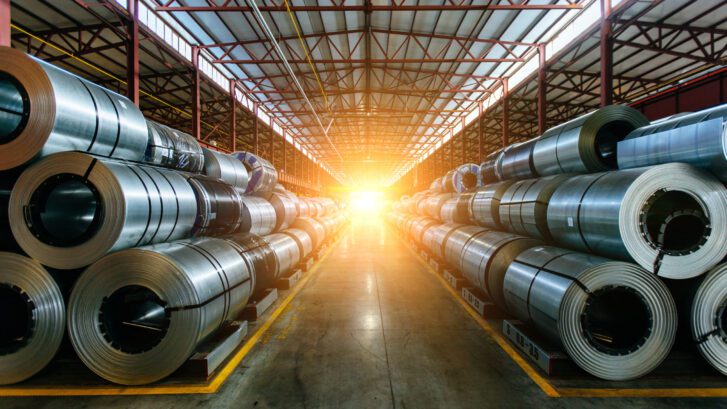
Efficient Steel Manufacturing Practices: Balancing Cost, Safety, and Sustainability
Steel remains one of the most important industrial materials in the world. It forms the backbone of infrastructure, transportation, construction, and heavy industry. However, steel manufacturing is also energy-intensive, capital-heavy, and subject to increasing environmental scrutiny. As a result, steel producers face a complex challenge: they must produce steel efficiently while maintaining high safety standards and reducing environmental impact.
Therefore, modern steel manufacturing increasingly focuses on efficient operational practices that balance cost, safety, and sustainability. Rather than optimising a single factor in isolation, successful steel plants integrate these priorities across their entire production chain.
This article explores the key strategies steel producers are adopting to improve manufacturing efficiency while ensuring safe operations and long-term sustainability.
Why efficiency matters in modern steel production
Efficiency has always been important in steel manufacturing. However, several new pressures have made it even more critical.
Rising energy and raw material costs
Firstly, steel production consumes large amounts of energy and raw materials. Electricity, natural gas, coke, iron ore, and scrap represent major operating costs. Consequently, even small improvements in efficiency can significantly reduce production expenses.
Increasing environmental expectations
Secondly, steel producers face growing pressure to reduce emissions and environmental impact. Governments, investors, and customers increasingly demand cleaner production processes. Therefore, efficiency improvements often go hand-in-hand with sustainability initiatives.
Competitive global markets
Finally, steel markets are highly competitive. Producers must continuously improve productivity and cost control to remain competitive against global suppliers. As a result, efficient manufacturing practices are essential for long-term viability.
Key stages of steel manufacturing
Before examining efficiency strategies, it is useful to understand the main stages of steel production.
Typical steelmaking processes include:
-
Raw material preparation
-
Ironmaking in blast furnaces or direct reduction plants
-
Steelmaking in basic oxygen or electric arc furnaces
-
Continuous casting
-
Rolling and finishing operations
Each stage presents opportunities for efficiency improvements.
Improving raw material efficiency
Efficient steel manufacturing begins with effective raw material management.
Optimising material quality and consistency
Firstly, consistent raw material quality improves process stability. Variations in ore grade, scrap composition, or additives can disrupt furnace performance and reduce yield.
Therefore, steel plants increasingly invest in:
-
Advanced material testing
-
Automated blending systems
-
Data-driven quality monitoring
As a result, furnaces operate more consistently and produce higher-quality steel.
Reducing material waste
Secondly, efficient material handling reduces losses throughout the plant. Spillage, dust generation, and handling errors can lead to significant waste over time.
Consequently, modern facilities use:
-
Enclosed conveyor systems
-
Dust suppression technologies
-
Automated material tracking systems
These measures help ensure that valuable raw materials are used effectively.
Energy efficiency in steel manufacturing
Energy consumption is one of the largest cost drivers in steel production. Therefore, improving energy efficiency delivers both economic and environmental benefits.
Waste heat recovery systems
Steelmaking processes generate substantial waste heat. Instead of allowing this heat to dissipate, plants increasingly capture it using waste heat recovery systems.
Recovered energy can be used to:
-
Generate electricity
-
Preheat combustion air
-
Support other plant processes
As a result, overall energy consumption decreases.
Optimising furnace operations
Furnace efficiency plays a critical role in steel production costs. By monitoring temperature profiles, oxygen levels, and fuel injection rates, operators can maintain optimal combustion conditions.
Consequently, fuel consumption decreases while productivity increases.
Electrification and renewable energy integration
Many steel plants are also exploring electrification strategies. Electric arc furnaces powered by renewable electricity can significantly reduce emissions compared with traditional blast furnace routes.
Therefore, energy efficiency increasingly aligns with sustainability goals.
Process optimisation and automation
Modern steel plants rely heavily on automation and advanced process control.
Real-time monitoring and analytics
Digital sensors and control systems now monitor critical parameters throughout the plant. These systems track:
-
Temperature and pressure
-
Chemical composition
-
Mechanical loads
-
Equipment performance
Consequently, operators receive immediate feedback and can adjust processes quickly.
Predictive maintenance and equipment reliability
Unplanned equipment failures disrupt production and increase costs. Therefore, many steel plants are implementing predictive maintenance strategies.
Using sensors and analytics, maintenance teams can identify early signs of wear or malfunction. As a result, repairs can be scheduled before failures occur.
Digital twins and process modelling
Digital twins allow steel producers to simulate production processes in virtual environments. By testing scenarios digitally, operators can optimise parameters without interrupting production.
Consequently, plants can identify efficiency improvements while reducing operational risk.
Enhancing safety in steel manufacturing
Safety remains a fundamental priority in steel production. Efficient operations must always support safe working conditions.
Reducing exposure to hazardous environments
Steel plants involve high temperatures, heavy equipment, and moving materials. Therefore, automation helps reduce direct worker exposure to hazardous areas.
Remote operation and monitoring systems allow operators to supervise processes from safer locations.
Improving operational procedures and training
Consistent procedures and effective training programs are essential for safe operations. Workers must understand both normal operating conditions and emergency response procedures.
Consequently, many steel plants invest in simulation-based training programs that allow workers to practice responses to unusual scenarios.
Integrating safety systems with production control
Modern control systems integrate safety monitoring directly into production processes. For example:
-
Overload protection systems prevent equipment damage
-
Temperature alarms prevent overheating
-
Interlocks prevent unsafe equipment operation
Therefore, safety becomes embedded within everyday operations.
Sustainability in steel manufacturing
Steel producers increasingly recognise that sustainability is essential for long-term industry viability.
Reducing greenhouse gas emissions
Steel production accounts for a significant share of global industrial emissions. Consequently, producers are investing in technologies that reduce carbon intensity.
These technologies include:
-
Hydrogen-based reduction processes
-
Electric arc furnaces using recycled scrap
-
Carbon capture and storage systems
Increasing recycling and circularity
Steel is highly recyclable, and scrap metal is an important raw material for electric arc furnaces. Increasing scrap utilisation reduces the need for primary ironmaking and lowers energy consumption.
Therefore, recycling plays a key role in sustainable steel production.
Efficient water management
Steel plants also require significant water resources for cooling and processing. Modern facilities implement water recycling systems to minimise consumption and environmental impact.
Balancing cost, safety, and sustainability
One of the most significant challenges in steel manufacturing is balancing competing priorities.
Cost pressures
Producers must maintain competitive pricing while investing in new technologies and environmental compliance.
Safety requirements
At the same time, safety cannot be compromised. Investments in training, automation, and protective systems are essential.
Sustainability commitments
Finally, sustainability initiatives require capital investment and long-term planning.
Therefore, successful steel producers adopt integrated strategies that address all three objectives simultaneously.
Future trends in efficient steel manufacturing
Looking ahead, several trends are likely to shape the future of steel production.
Increased digitalisation
Advanced analytics, artificial intelligence, and digital twins will continue to improve process optimisation and efficiency.
Greater use of hydrogen-based steelmaking
Hydrogen-based reduction technologies offer the potential to significantly reduce emissions from ironmaking processes.
Continued focus on circular economy principles
Steel recycling will become increasingly important as industries seek to reduce environmental impact.
Conclusion: building a resilient steel industry
Efficient steel manufacturing practices require careful balance. By improving process efficiency, enhancing safety systems, and investing in sustainable technologies, steel producers can create operations that are both economically viable and environmentally responsible.
Ultimately, the future of the steel industry depends on integrating cost control, operational safety, and sustainability into a unified manufacturing strategy. Plants that successfully adopt these practices will be better positioned to compete in an increasingly demanding global market.