
Volumetric Measurement – LASE Laser Solutions

Volumetric Measurement – LASE Laser Solutions

Volumetric Measurement – LASE Laser Solutions for Bulk Handling and Truck Management

Introduction

In bulk handling industries, accuracy is everything. Whether loading iron ore at a port terminal or managing truck loads at a mining site, the ability to measure volume precisely determines profitability, safety, and efficiency. Traditional weighing methods, while reliable in the past, are no longer enough for modern operations that demand real-time insight and digital integration.

Enter LASE GmbH, a global pioneer in laser measurement technology. Their volumetric laser systems deliver a digital-first approach to bulk management—combining high-precision 3D laser scanning, advanced analytics, and automation. As a result, operators gain real-time visibility into stockpiles, truck loads, and conveyor flow with unmatched accuracy and speed.

This article explores how LASE’s volumetric measurement solutions transform bulk handling and truck management. We will look at the technology, its industrial applications, and the measurable advantages it brings to ports, terminals, and mines worldwide.


The Challenge: Measuring Bulk Material Accurately

The Problem with Traditional Methods

In bulk industries, measurement is far from simple. Materials such as coal, ore, grain, and aggregates are irregular in shape, density, and moisture content. Conventional methods like belt scales, ultrasonic sensors, or manual surveys often produce inconsistent results.

Moreover, manual measurement introduces human error, safety risks, and delays. Inaccurate readings lead to overloading, underbilling, and logistical inefficiencies, each of which can cost operators thousands of dollars daily.

The Demand for Real-Time Insight

Modern ports and mines operate on tight schedules and rely on integrated data systems. Therefore, real-time, non-contact, and accurate measurement is now essential. Operators need immediate feedback to adjust loading processes, verify transport capacity, and optimize flow.

This is precisely where LASE’s volumetric laser systems excel.


LASE GmbH: Precision in 3D Laser Measurement

LASE GmbH, headquartered in Germany, specializes in laser-based measurement and automation technology for industrial applications. The company’s products are known for their reliability, adaptability, and precision in the most demanding environments—from steel production and ports to mining and logistics.

LASE systems use LiDAR (Light Detection and Ranging) technology to create detailed 3D profiles of bulk materials. This data enables automatic calculation of volumes, positions, and movement without physical contact or interruption of operations.

Because the measurements are digital and instant, they integrate seamlessly into SCADA, MES, and ERP systems, turning data into actionable intelligence.


How Laser Volumetric Measurement Works

3D Laser Scanning

LASE laser scanners emit light pulses that reflect off bulk material surfaces. By measuring the time it takes for each pulse to return, the system calculates distance with millimetric accuracy. By scanning millions of points per second, a complete 3D model of the surface is created.

Volume Calculation

The software compares the scanned data with reference geometry—such as an empty truck bed, container, or stockpile baseline. It then calculates volume automatically, even compensating for irregular shapes and slopes.

Integration and Automation

Because LASE systems are modular, they can integrate with conveyor systems, truck scales, or robotic loaders. As a result, operators can automate processes like load verification, inventory management, and reporting.


LASE Volumetric Measurement Solutions

1. LaseTVM – Truck Volumetric Measurement

The LaseTVM system is designed to measure truck load volumes quickly and precisely—without stopping the vehicle. Mounted above the truck lane, laser scanners capture the 3D shape of the load before and after dumping.

Key features include:

  • Non-contact scanning at speeds up to 50 km/h.

  • Automatic recognition of truck type and load area.

  • Volume calculation accuracy within ±1%.

  • Integration with weighbridges for mass-volume correlation.

As a result, LaseTVM improves truck management by:

  • Preventing overloading and associated fines.

  • Recording every transaction digitally.

  • Enabling automated billing and traceability.

2. LaseBVH – Bulk Volume on Conveyor Belts

The LaseBVH system continuously measures the volume of material on a conveyor belt. The scanner is installed above the belt and generates a cross-section profile in real time.

Benefits include:

  • Precise volumetric flow rate measurement.

  • Early detection of belt misalignment or blockages.

  • Integration with SCADA systems for process optimization.

Therefore, operators gain full visibility of material flow and can react instantly to fluctuations.

3. LaseSPC – Stockpile Volume and Profile Measurement

For stockyards and storage areas, the LaseSPC system scans entire stockpiles using 3D laser sensors mounted on tripods, cranes, or gantries.

The system delivers:

  • Accurate 3D models of stockpile geometry.

  • Real-time volume calculations and material tracking.

  • Integration with logistics software for automatic reporting.

Consequently, LaseSPC eliminates the need for manual surveying, drone flights, or unsafe physical inspections.

4. LaseCPV – Container Profiling and Volume Measurement

In ports and logistics terminals, LaseCPV measures container contents before transport or stacking. The system identifies uneven loads, overfilled containers, or hazardous protrusions.

This ensures compliance with international transport standards and reduces damage risk during shipping.


Advantages of LASE Laser Measurement Systems

1. Non-Contact and Maintenance-Free

Laser systems operate without touching the material. Therefore, there is no wear or contamination, and maintenance costs are significantly reduced.

2. High Accuracy and Repeatability

LASE systems achieve sub-centimeter accuracy even under harsh conditions. This level of precision guarantees consistent data for auditing and reporting.

3. Speed and Efficiency

Unlike manual or ultrasonic methods, laser systems complete scans in seconds. As a result, trucks move faster through checkpoints, conveyors run continuously, and operations remain uninterrupted.

4. Safety and Compliance

Eliminating manual measurement means fewer workers exposed to heavy equipment and dust. Furthermore, LASE systems provide digital documentation that supports ISO and safety compliance.

5. Seamless Digital Integration

All LASE systems connect to higher-level software platforms. Consequently, data from scanners feeds directly into ERP, billing, or logistics systems—creating a fully digital bulk management workflow.


Industrial Applications

Mining

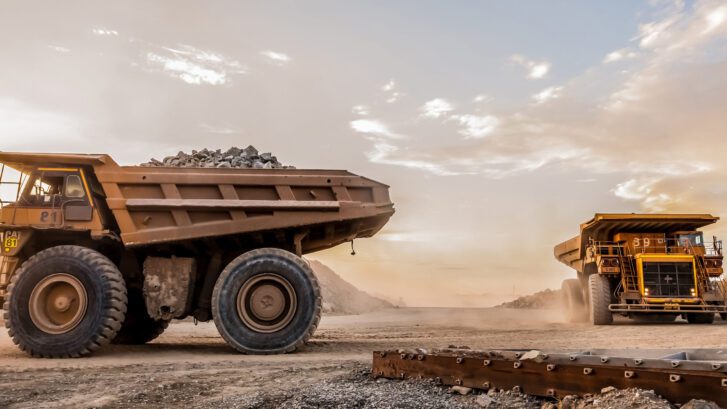
In mines, LASE volumetric systems monitor truck loading and conveyor throughput. They prevent under- and overloading, which improves transport efficiency and extends equipment lifespan.

For example, LaseTVM identifies precisely how much material each truck carries, while LaseBVH verifies how efficiently conveyors transport ore to crushers or silos.

Ports and Terminals

Port operators use LASE solutions to monitor shiploading, unloading, and stockpile levels. By integrating LASESPC with terminal management systems, operators can track cargo volumes in real time and verify vessel loading plans.

This transparency supports faster turnaround and fewer disputes over cargo quantities.

Steel and Power Plants

In steel plants, where materials like coke, limestone, and iron ore are stored in open yards, LASESPC ensures accurate inventory control. Meanwhile, power plants use similar systems to monitor coal feed rates and stock levels.

Logistics and Agriculture

LASE technology also applies to grain terminals, fertilizer plants, and logistics centers. The systems measure irregular loads with ease, improving documentation and preventing contamination through non-contact scanning.


Digital Transformation and Data Connectivity

Real-Time Analytics

All LASE systems generate a constant stream of data. When analyzed, this data reveals trends, identifies bottlenecks, and supports predictive maintenance.

Integration with IoT Platforms

Through industrial IoT (IIoT) connectivity, LASE systems communicate with PLCs, SCADA, and enterprise resource planning tools. Therefore, every measurement contributes to a bigger picture of operational performance.

Cloud and Edge Computing

LASE supports hybrid data architectures. Edge devices process data instantly on-site, while cloud systems store and analyze long-term trends. As a result, decision-making becomes both faster and more informed.


Environmental and Economic Benefits

Resource Efficiency

Accurate measurement means better control over material movement. This reduces spillage, overloading, and unnecessary transport, lowering both operational costs and emissions.

Energy Optimization

Because LASE systems automate flow control, conveyors and loaders run only when needed. Consequently, energy consumption decreases significantly.

Paperless Operations

Digital records replace manual tickets and reports, supporting sustainability and traceability. In addition, operators can easily share data with stakeholders, auditors, and clients.


Case Studies

Case 1: LaseTVM at a European Coal Terminal

A major coal terminal adopted the LaseTVM Truck Volumetric Measurement system to eliminate manual weighing. Within weeks, loading accuracy improved by 98%, and truck throughput increased by 25%. As a result, the terminal saved over 400 man-hours per month in manual inspection time.

Case 2: LaseBVH in a German Quarry

A quarry replaced outdated ultrasonic sensors with LaseBVH scanners. The new system provided continuous volume flow data, allowing the operator to optimize conveyor speed and crusher feed. Consequently, productivity rose while maintenance costs fell.

Case 3: LaseSPC in a Port Stockyard

At a European port, the LaseSPC Stockpile Measurement system automated monthly inventory calculations. Previously, manual surveying took two days; now, scans complete in under an hour, providing instant volume reports.


Why Laser Technology Is the Future of Bulk Measurement

Traditional weighing methods will always have a place, but laser technology delivers the digital precision that modern industry demands.

  • Accuracy: Real 3D surface mapping removes uncertainty.

  • Safety: Operators stay clear of heavy machinery.

  • Efficiency: Real-time data eliminates downtime.

  • Scalability: Systems expand easily to cover new conveyors or stockyards.

  • Integration: Data aligns with Industry 4.0 principles and predictive analytics.

Ultimately, LASE laser solutions bridge the gap between mechanical processes and digital intelligence, transforming bulk handling into a precise, data-driven science.


Conclusion

Precision defines modern industry. As automation and data integration accelerate, companies need tools that deliver accurate, real-time information without interrupting operations. LASE GmbH’s volumetric laser measurement systems meet that need perfectly.

From truck loading at mines to stockpile management at ports, LASE systems offer a seamless blend of accuracy, efficiency, and safety. Their non-contact technology reduces maintenance, while digital integration ensures that every scan contributes to smarter decisions.

In the digital-first era of bulk handling, laser measurement is not just a technological advantage—it is a competitive necessity. With LASE’s expertise, industries can measure, monitor, and manage every load with the precision that defines the future of logistics and material flow.

Encoders & Feedback Systems

Encoders & Feedback Systems

Encoders & Feedback Systems – How Precision Boosts Reliability in Harsh Environments

Introduction

Industrial machinery faces one of its greatest challenges not in how much power it can generate, but in how reliably it can operate under punishing conditions. From the blazing heat of a steel mill to the salty, corrosive air of a container port, harsh environments constantly test equipment. Therefore, precision becomes the difference between operational uptime and costly downtime.

At the heart of modern reliability strategies lie encoders and feedback systems. These devices are small compared to the machines they serve, yet they play an outsized role in ensuring performance, safety, and longevity. As a result, operators and automation systems can make real-time adjustments and prevent failures before they occur.

This article explores in depth how encoders and feedback systems work, why they are indispensable in harsh environments, and how precision directly translates into reliability and efficiency.


What Are Encoders and Feedback Systems?

Defining Encoders

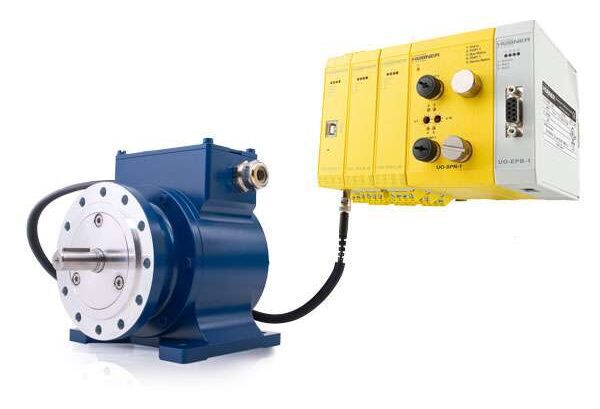
Encoders are electromechanical devices that convert mechanical motion—such as shaft rotation or linear displacement—into digital signals. These signals represent speed, position, or direction. In practice, two main types dominate industrial applications:

  • Incremental encoders – Provide relative motion data by generating pulses for every step of rotation or movement. They are ideal for applications that track speed and direction.

  • Absolute encoders – Provide a unique digital word for every shaft position, ensuring precise knowledge of position even after power loss.

Feedback Systems in Context

A feedback system is the broader network that incorporates encoders and other sensors into the control loop of a machine. By monitoring performance data and comparing it against desired outcomes, feedback systems enable corrective actions in real time. In other words, while an encoder tells you “where you are,” a feedback system ensures you stay on course.


The Importance of Precision

Why Accuracy Matters

Industrial machines are massive, complex, and expensive. Small deviations in motion can escalate into major problems—misaligned rolls in steel production, inaccurate crane positioning in ports, or unsafe overspeed events in mining conveyors. Because of this, encoders provide accuracy down to microns or fractions of degrees, allowing large systems to operate with the finesse of a finely tuned watch.

Precision as a Reliability Multiplier

When feedback is precise, control systems can anticipate and correct issues before they cause downtime. Consequently, this predictive capability enhances safety, efficiency, and equipment lifespan.

  • Safety – Preventing overspeed or overtravel events.

  • Efficiency – Ensuring smooth operation with minimal wasted energy.

  • Equipment life – Reducing wear by maintaining alignment and avoiding shock loads.


Harsh Environments: The True Test

Not all industrial settings are created equal. For instance, the following environments highlight why encoder and feedback system reliability is paramount:

Steel Mills

  • Extreme heat: Temperatures soar around furnaces and rolling lines.

  • Vibration: High-impact processes transmit shock loads to sensors.

  • Contamination: Dust, scale, and oil can damage standard devices.

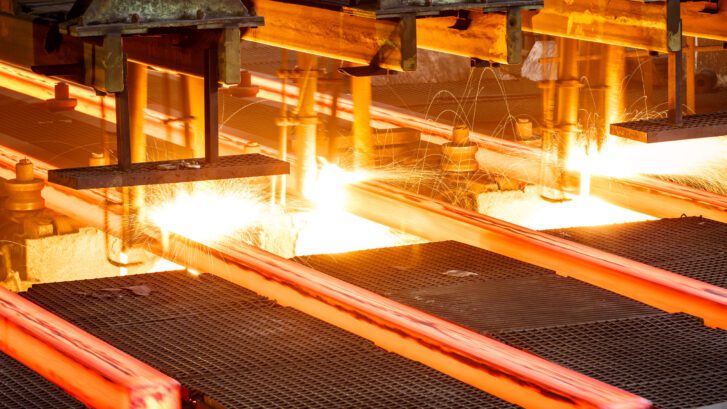
Therefore, encoders in steel mills must be designed with heavy-duty housings, high IP ratings, and often liquid cooling options.

Ports and Container Terminals

  • Salt corrosion: The marine atmosphere accelerates rust and electrical degradation.

  • Humidity and storms: Water ingress can cripple electronics.

  • 24/7 demand: Equipment downtime directly impacts global supply chains.

As a result, feedback systems in ports are designed for corrosion resistance, sealed housings, and robust connectors to keep cranes and shiploaders moving reliably.

Mining Operations

  • Dust and debris: Fine particles infiltrate every crevice.

  • Shocks and impacts: Large, vibrating equipment stresses components.

  • Remote conditions: Failures in isolated sites are costly and slow to repair.

Consequently, encoders in mining are often specified with hybrid bearings to isolate shaft currents and shock-resistant housings.


Types of Encoders for Harsh Environments

Heavy-Duty Incremental Encoders

These are engineered to withstand vibration, dirt, and extreme mechanical loads. In addition, they often feature reinforced housings, shock-absorbing couplings, and wide temperature ranges.

Absolute Encoders with Multiturn Capabilities

In applications such as cranes or steel rolling mills, knowing exact position after a power loss is critical. Therefore, multiturn absolute encoders ensure precise recovery without recalibration.

Magnetic Encoders

Where optical systems may fail due to dust or oil, magnetic encoders thrive. For this reason, they are popular in mining and bulk handling applications.

Hybrid Solutions

Some modern encoders integrate optical precision with magnetic resilience, striking a balance between accuracy and environmental toughness. Thus, operators gain the best of both worlds.


Feedback Systems in Action

Closed-Loop Control

Encoders form the backbone of closed-loop control systems. For example, a conveyor motor’s encoder feeds back speed data to the drive. If load changes occur, the drive automatically compensates, maintaining constant speed.

Safety Systems

Overspeed switches and electronic position switches use encoder signals to trigger safety cutouts. As a result, overhead cranes, conveyors, and elevators remain safe for operators and cargo alike.

Predictive Maintenance

Modern feedback systems connect with industrial IoT platforms. Therefore, by analyzing encoder data trends, operators can predict bearing wear, misalignment, or early-stage faults before they escalate.


Engineering for Reliability

IP Ratings and Sealing

Encoders in ports often feature IP67 or higher protection, preventing dust and water ingress. Moreover, double-sealed bearings add another layer of reliability.

Bearing Isolation

Hybrid or insulated bearings prevent damaging shaft currents in variable frequency drive (VFD) systems, extending encoder lifespan. Consequently, downtime caused by premature failures is reduced.

Vibration Resistance

Vibration-proof plug-in connectors and ruggedized housings prevent disconnections even under constant shock. In addition, mechanical reinforcements keep the encoder aligned under high stress.

Materials and Coatings

Stainless steel housings and anti-corrosion coatings are common in maritime environments. Similarly, in high-heat areas, heat-resistant materials ensure performance under stress.


Industry Applications

Ports

Ship-to-shore cranes rely on encoders for precise trolley positioning. Moreover, automated stacking cranes depend on feedback systems to achieve millimeter-accurate container placement.

Steel Industry

Encoders on rolling mills control thickness and flatness. Therefore, without precision, product quality suffers and rework costs skyrocket.

Mining

Conveyors stretching kilometers long rely on encoders to synchronize drives. In addition, load haul dump trucks use encoders for safe braking and traction control.

Renewable Energy

Wind turbines employ absolute encoders to track blade pitch and yaw. Consequently, offshore turbines demand corrosion-resistant feedback systems to ensure reliability in marine conditions.


Precision and Digital Transformation

The Fourth Industrial Revolution is driven by connectivity, automation, and data analytics. Accordingly, encoders and feedback systems sit at the core of this transformation.

  • Integration with PLCs and SCADA – Real-time data sharing improves process visibility.

  • IoT and Edge Computing – Encoders now feed predictive algorithms for smart maintenance.

  • AI in Reliability – Machine learning models use encoder data to detect patterns invisible to the human eye.

As a result, precision is no longer just mechanical—it is digital, analytical, and predictive.


Future Trends in Encoder Technology

  1. Miniaturization without compromise – Compact encoders designed for tight spaces while still handling industrial loads.

  2. Wireless encoders – Reducing cable failures in moving machinery.

  3. Condition monitoring built-in – Encoders that self-diagnose health, sending early warnings.

  4. Increased safety certifications – Encoders rated to SIL (Safety Integrity Level) standards for critical applications.

  5. Sustainability focus – Longer-lasting, energy-efficient designs reduce waste and environmental impact.

Taken together, these innovations will redefine reliability for the next generation of harsh-environment applications.


Key Takeaways

  • Encoders and feedback systems ensure precision and reliability in industries like steel, ports, and mining.

  • Harsh environments demand specialized designs—high IP ratings, corrosion resistance, and vibration proofing.

  • Incremental, absolute, magnetic, and hybrid encoders each offer unique benefits for specific challenges.

  • Modern systems enable predictive maintenance, safety assurance, and digital integration.

  • Precision not only boosts reliability—it saves costs, extends equipment life, and improves safety.


Conclusion

Encoders and feedback systems may be small, but their role in industrial reliability is enormous. Indeed, in harsh environments where machines are pushed to their limits, precision feedback is the anchor that keeps operations safe, efficient, and profitable.

As industries embrace digital transformation, these devices evolve from simple signal generators into intelligent guardians of reliability. For ports striving for 24/7 uptime, steel mills fighting off heat and dust, or mines battling isolation and debris, encoders remain the unsung heroes that ensure precision is never sacrificed, no matter how tough the conditions.

Drivetrain Choices for Conveyors

Drivetrain Choices for Conveyors

Drivetrain Choices for Conveyors – Balancing Efficiency, Cost, and Reliability in Ore Transport

Introduction

In mining, few systems are as important as conveyors. They move millions of tonnes of ore from the pit to the plant and from the stockyard to the shiploader. At the heart of every conveyor is the drivetrain—a mix of motor, gearbox, couplings, and other parts that supply torque and speed to the belt.

Choosing the right drivetrain is not just a technical step. Instead, it is a balance of efficiency, cost, and reliability. If the system is too small, it can fail often. If it is too large or complex, it adds extra expense and wasted energy. As a result, engineers and operators must weigh drivetrain choices carefully. These choices affect not only cost but also energy use, equipment life, and production goals.

This article looks at drivetrain options for conveyors in ore transport and explains how efficiency, cost, and reliability must work together.


Why Drivetrain Selection Matters in Ore Transport

Mining conveyors run in some of the toughest places on earth. They face heat, dust, shock, and long hours of use, often 24/7. Unlike other machines, a conveyor is usually a critical link in production. If the conveyor stops, the whole process stops too.

Because of this, the drivetrain must:

  • Supply steady torque with little energy loss.

  • Handle shock from uneven ore loads.

  • Run smoothly over long distances, sometimes more than 10 km.

  • Be strong enough to avoid unplanned downtime.

A poor drivetrain choice can cause a chain of problems: worn belts, damaged pulleys, higher energy bills, and frequent repairs. On the other hand, a well-chosen drivetrain lowers running costs, saves energy, and helps the conveyor last longer.


The Main Parts of a Conveyor Drivetrain

It helps to look at the building blocks of a drivetrain before comparing different systems.

  1. Motors

    • Low-voltage AC motors are common in small conveyors.

    • High-voltage AC motors are used in big mining conveyors.

    • DC motors are rare today but still seen in some mobile units.

    • Permanent magnet motors are newer and valued for energy savings.

  2. Gearboxes

    • Helical bevel gearboxes are compact and efficient.

    • Planetary gearboxes handle high torque in tight spaces.

    • Worm gearboxes are cheap but waste more energy and are less common in heavy-duty use.

  3. Couplings and Safety Parts

    • Elastic couplings soften vibration.

    • Hydrodynamic couplings give smooth starts.

    • Torque limiters protect against overload.

  4. Drive Layouts

    • Single-drive systems use one motor and gearbox at the head pulley.

    • Multi-drive systems spread several drives along the conveyor.

    • Direct-drive systems link the motor straight to the pulley without a gearbox.


What to Think About When Choosing a Drivetrain

1. Efficiency

Energy is one of the largest costs in mining. Because of this, efficiency matters. The gearbox, motor, and drive setup all play a role in how much power is used for each tonne of ore moved.

  • High-efficiency motors (IE3 and IE4) cut electricity use.

  • Gearless direct drives remove gearbox losses.

  • Variable frequency drives (VFDs) save energy at lower loads.

2. Cost

Upfront cost must be weighed against lifetime cost. For example, worm gearboxes are cheap to buy but waste energy. In contrast, gearless drives are expensive at first but save money in the long run.

Standard motors also save money by cutting the need for many spare parts and lowering storage costs.

3. Reliability

Mining downtime is very expensive. Because of that, reliability is vital.

  • Multi-drive systems keep conveyors running even if one motor fails.

  • Gearboxes with strong seals resist dust and water.

  • Sensors that track heat and vibration warn of issues early.


Drivetrain Options for Conveyor Systems

Gear-Driven Systems

This is the most common setup: a motor and gearbox connected to the head pulley.

Advantages:

  • Well-known and proven design.

  • Cheaper for short to medium conveyors.

  • Gear ratios can be adjusted for the load.

Disadvantages:

  • Some energy is lost in the gearbox.

  • Needs regular oil and service checks.

Best for: Conveyors under 5 km where cost and ease of use matter most.


Planetary Gearbox Systems

Planetary gearboxes are compact and strong, which makes them useful where space is tight.

Advantages:

  • High torque in a small unit.

  • Load is spread evenly across gears.

  • Lighter weight than helical gearboxes.

Disadvantages:

  • More costly to buy.

  • Needs skilled service.

Best for: Steep conveyors or mobile units where torque is high but space is limited.


Direct-Drive Gearless Systems

Gearless systems use a motor fixed straight to the pulley.

Advantages:

  • No gearbox means no gear losses.

  • Lower need for upkeep.

  • Handles very high power (10 MW+).

Disadvantages:

  • Very high upfront cost.

  • Needs expert setup and care.

  • Spare parts may be harder to find.

Best for: Ultra-long conveyors in big ore mines.


Multi-Drive Systems

Here, several smaller drives are spread along the conveyor.

Advantages:

  • Stress on belts and pulleys is lower.

  • If one motor fails, the others keep working.

  • Load is spread more evenly.

Disadvantages:

  • Control systems are harder to manage.

  • Setup is more complex.

Best for: Long conveyors that run over mixed terrain.


Hybrid Systems with Hydrodynamic Couplings

Some setups use gearboxes with fluid couplings for smoother starts.

Advantages:

  • Reduces strain during startup.

  • Prevents belt slip.

Disadvantages:

  • More parts mean more cost.

  • Not as efficient as VFDs.

Best for: Older conveyors being upgraded.


Balancing Efficiency, Cost, and Reliability

  • Medium conveyors (low cost focus): AC motor with helical gearbox is usually enough.

  • Ultra-long conveyors: Gearless direct drives with VFDs save the most over time.

  • Steep conveyors: Planetary gearboxes with couplings handle torque and protect belts.

  • Redundancy critical: Multi-drive systems ensure uptime even if one motor stops.


Digital Tools in Drivetrains

Today, drivetrain choice is about hardware and smart tools.

  • IoT sensors find vibration or heat issues early.

  • Digital twins model loads before setup.

  • AI-driven service plans cut downtime.

As a result, gearbox life can improve by 40% or more.


Sustainability

Energy efficiency helps both cost and climate goals. Mining firms are under pressure to cut carbon, and drivetrain design is part of the answer.

  • High-efficiency motors use less power.

  • Gearless drives waste less heat.

  • VFDs work well with renewable energy.

Thus, better drivetrain design supports both lower bills and cleaner operations.


What’s Next in Conveyor Drivetrains

  • Permanent Magnet Motors: Higher efficiency in a smaller frame.

  • Decentralised Drives: Smaller units for modular systems.

  • Smart Gearboxes: Sensors built into the gearbox.

  • Green Power: Systems built for renewables.

Together, these trends push mining toward longer-lasting, digital, and cleaner systems.


Steps for Engineers

  1. Define load needs, including peaks and startup torque.

  2. Match the drivetrain to conveyor length and slope.

  3. Check power supply limits before picking motors.

  4. Balance upfront vs lifetime cost.

  5. Plan for spares and skilled upkeep.


Conclusion

Conveyor drivetrains keep ore moving. The choice between gear-driven, planetary, direct-drive, or multi-drive systems is never simple. Each site needs a balance of efficiency, cost, and reliability.

Often, the right choice is not the cheapest or the most advanced but the one that ensures uptime and saves money over time. With more digital tools and rising pressure for lower carbon, drivetrain choices today shape both performance and reputation.

Companies that make smart drivetrain choices will save energy, cut downtime, and stay ahead in a tough industry.

efficiency and throughput of stackers

Efficiency and Throughput Optimization of Bulk Handling Cranes

Efficiency and Throughput Optimization of Stackers, Ship Loaders, and Reclaimer Cranes

In the world of bulk materials handling, optimizing the efficiency and throughput of machinery like stackers, ship loaders, and reclaimer cranes is critical. These machines play an integral role in port terminals, stockyards, and mining operations where high productivity and low downtime determine profitability. Therefore, this article explores strategies to maximize operational efficiency, minimize costs, and enhance throughput, while ensuring equipment longevity and reliability.

Introduction to Bulk Handling Equipment

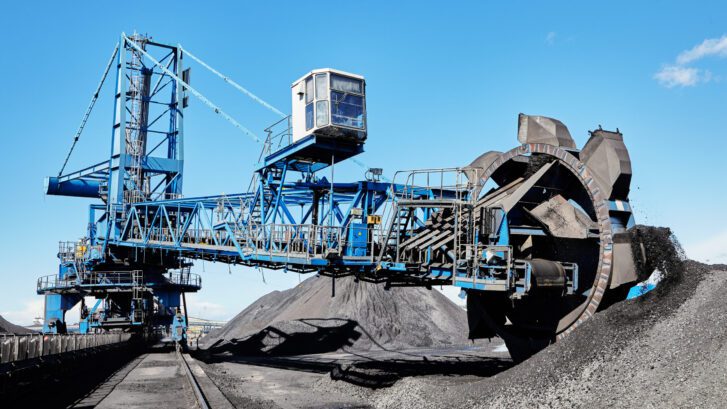
Stackers, ship loaders, and reclaimer cranes are the backbone of large-scale material handling systems. Stackers are used to pile bulk materials systematically in stockyards. In comparison, ship loaders transfer bulk materials onto vessels for export, while reclaimer cranes retrieve materials from stockpiles and deliver them for further processing or transport.

Due to their scale and operational demands, these machines require constant performance optimization to meet the growing global demand for commodities like coal, iron ore, grains, and minerals. Notably, efficiency improvements not only lead to higher output but also reduce operational costs and carbon footprints, aligning operations with modern sustainability goals.

Factors Affecting Efficiency and Throughput

Before diving into optimization strategies, it’s essential to understand the main factors influencing the efficiency and throughput of stackers, ship loaders, and reclaimers:

  • Equipment Design: The structure, materials, and capacity of machinery impact operational efficiency.
  • Maintenance Practices: Proper, regular maintenance minimizes downtime.
  • Automation and Control Systems: Smart systems improve precision and reduce human error.
  • Material Characteristics: Flowability, moisture content, and size affect handling performance.
  • Operator Skill: Well-trained operators maximize productivity and minimize risks.

By addressing each of these factors, operators can significantly enhance equipment performance.

Strategies for Optimizing Stackers

1. Implement Advanced Control Systems

Modern stackers equipped with programmable logic controllers (PLCs) and Supervisory Control and Data Acquisition (SCADA) systems allow for automated stacking patterns, precise material placement, and reduced material degradation. Consequently, advanced software can analyze stockpile geometry, optimize material layering, and manage throughput.

2. Upgrade to Variable Frequency Drives (VFDs)

VFDs allow precise control of stacker movement, reducing energy consumption and wear. Moreover, speed adjustments according to material flow conditions ensure smoother operations and minimize mechanical stress.

3. Regular Preventive Maintenance

Proactive maintenance schedules—rather than reactive repairs—ensure that minor issues are addressed before they escalate into costly breakdowns. Additionally, regular inspection of conveyor belts, gearboxes, motors, and structural components is vital.

4. Implement Stockpile Management Systems

Optimized stockpile management prevents material segregation and maximizes space utilization. Furthermore, sophisticated software can map out the most efficient stacking configurations, reducing rehandling and spillage.

Strategies for Optimizing Ship Loaders

1. High-Precision Positioning Systems

Ship loaders equipped with laser-based or GPS-based positioning systems can precisely align with a vessel’s hatch, reducing loading times and minimizing the risk of spillage. As a result, this reduces demurrage charges and enhances overall throughput.

2. Increase Machine Mobility and Flexibility

Design features like luffing booms, telescopic conveyors, and slewing mechanisms allow ship loaders to handle different vessel sizes and configurations with ease. Consequently, enhancing the loader’s range of motion improves cycle times and operational adaptability.

3. Dust Suppression Systems

Environmental compliance is a growing priority. Efficient dust suppression systems improve site safety and reduce material loss during loading operations. Therefore, water misting systems, enclosed booms, and dust collectors are effective tools.

4. Optimize Conveyor Systems

Ship loader conveyors should be designed for high belt speeds and low resistance. By using high-tension, low-weight belts and aerodynamic idlers, operators can reduce power consumption and enhance throughput.

Strategies for Optimizing Reclaimer Cranes

1. Automate Reclaiming Processes

Automated reclaimers use radar, laser scanners, and real-time data analytics to perform material recovery tasks without manual input. As a result, automation reduces operational variability and increases consistency in reclaim rates.

2. Upgrade Bucket Designs

Advanced bucket designs, such as those optimized for different material densities and moisture levels, improve material pickup efficiency and reduce spillage. Moreover, wear-resistant materials also prolong bucket life.

3. Implement Condition Monitoring

Using IoT sensors and predictive analytics, operators can monitor the health of motors, gearboxes, and structural components. Consequently, predictive maintenance prevents unexpected failures and keeps reclaimers operating at peak efficiency.

4. Optimize Path Planning

Sophisticated path planning algorithms can minimize travel distances, reduce cycle times, and prevent material degradation. Proper planning, therefore, ensures uniform material recovery and stockyard balance.

Case Studies: Efficiency Improvements in Action

Case Study 1: Stackers in a Coal Export Terminal

At a major coal export terminal, introducing automated stacking systems improved stockpile management by 25%. In addition, implementing VFDs reduced energy costs by 15%, while predictive maintenance reduced downtime incidents by 30% over a 12-month period.

Case Study 2: Ship Loader Optimization at an Iron Ore Port

A ship loader upgrade project, including the installation of an extendable boom and dust suppression systems, reduced average vessel loading times by 18%. Moreover, dust emissions dropped by 40%, helping the port achieve ISO 14001 certification.

Case Study 3: Automated Reclaimer in a Steel Plant

In a steel manufacturing facility, transitioning to an automated bucket wheel reclaimer increased throughput by 22%. Additionally, predictive analytics on gearbox performance reduced emergency maintenance events by 60%, significantly lowering operational costs.

Emerging Trends in Bulk Handling Optimization

Digital Twin Technology

Digital twins—virtual replicas of physical assets—allow operators to simulate scenarios, predict equipment behavior, and optimize performance without risking real-world assets. Consequently, they provide invaluable insights into throughput improvement strategies.

AI and Machine Learning

AI algorithms can predict material flow rates, suggest optimal loading patterns, and alert operators to anomalies before they cause issues. Furthermore, machine learning models become increasingly accurate over time, offering smarter operational strategies.

Sustainable Operations

There is an increasing demand for eco-friendly bulk handling operations. Electrification of drives, solar-powered auxiliary systems, and efficient dust management not only meet regulatory requirements but also enhance operational reputations.

Best Practices for Continuous Improvement

  1. Regular Training Programs: Equip operators and maintenance personnel with up-to-date knowledge of equipment features, safety standards, and efficiency techniques.
  2. Data-Driven Decision Making: Collect operational data through SCADA systems and IoT sensors and use it to drive continuous improvements.
  3. Cross-Functional Collaboration: Encourage collaboration between engineering, operations, and maintenance teams to identify bottlenecks and brainstorm solutions.
  4. Vendor Partnerships: Collaborate with original equipment manufacturers (OEMs) for updates, retrofits, and technical support to keep machinery at peak performance.
  5. Benchmarking and KPIs: Establish key performance indicators (KPIs) like loading rate, downtime hours, energy usage, and maintenance frequency to track progress and identify areas for improvement.

Conclusion: Building a Future of High-Efficiency Bulk Handling

Optimizing the efficiency and throughput of stackers, ship loaders, and reclaimer cranes is essential for any port, mining, or industrial operation seeking to remain competitive. By leveraging smart technologies, implementing robust maintenance programs, and investing in operator training, facilities can achieve significant improvements in operational efficiency, environmental compliance, and profitability.

In a world increasingly focused on sustainability, safety, and precision, continuous optimization is not merely a competitive advantage—rather, it is a necessity. Companies that prioritize innovation and data-driven strategies will lead the future of bulk material handling, setting new benchmarks for what these powerful machines can achieve.

steel industry innovations

Recent Significant Innovations in the Steel Industry

Recent Significant Innovations in the Steel Industry: Shaping the Future of Metal Manufacturing

The steel industry has always been at the heart of industrial progress. From towering skyscrapers to the framework of high-speed railways, steel remains indispensable. In recent years, however, the sector has undergone remarkable transformations, driven by the need for sustainability, efficiency, and advanced performance. This article delves into the latest innovations redefining the steel industry, ensuring it remains a cornerstone of global development.


Green Steel Revolution

1. Green Steel Production: The Hydrogen Revolution

One of the most groundbreaking developments in the steel sector is the move toward “green steel.” Traditionally, steelmaking relies heavily on carbon-intensive processes, particularly the use of blast furnaces. However, new technologies are replacing coal with hydrogen, significantly reducing carbon emissions.

Projects like HYBRIT (Hydrogen Breakthrough Ironmaking Technology) in Sweden and initiatives by companies like ArcelorMittal and Thyssenkrupp are leading the way. By using renewable hydrogen to replace coke in the reduction process, these efforts could cut CO2 emissions by up to 95%, thus marking a critical step in aligning the steel industry with global climate goals.

Material Innovation and New Applications

2. Advanced High-Strength Steels (AHSS) for Automotive Applications

Consequently, the demand for lightweight yet durable materials in automotive manufacturing has led to the development of Advanced High-Strength Steels (AHSS). These steels offer superior strength-to-weight ratios, allowing manufacturers to reduce vehicle weight without compromising safety.

New generations of AHSS, including 3rd Generation AHSS, provide enhanced formability and crash resistance, making them ideal for electric vehicles (EVs). Companies like POSCO and SSAB are at the forefront, developing steel grades that meet the automotive industry’s evolving needs.

3. Smart Steel: Embedding Technology into Metal

Furthermore, the integration of digital technologies into steel products is another exciting innovation. Smart steel involves embedding sensors and data transmission capabilities directly into steel components. This allows real-time monitoring of structural integrity, temperature changes, and stress levels.

Smart steel finds applications in infrastructure, aerospace, and heavy machinery, offering predictive maintenance capabilities and improving overall safety. Therefore, the adoption of Internet of Things (IoT) technologies in steel is opening new frontiers for intelligent manufacturing and asset management.

Sustainable Manufacturing Processes

4. Electric Arc Furnaces (EAF) and Scrap Recycling

Similarly, Electric Arc Furnaces (EAF) have become increasingly popular as an environmentally friendly alternative to traditional blast furnaces. EAFs primarily use recycled steel scrap, significantly lowering the carbon footprint of steel production.

Modern EAFs are more energy-efficient and capable of producing high-quality steel with reduced emissions. Companies like Nucor Corporation in the United States are pioneers in this area, leveraging EAF technology to create sustainable steel products while maintaining competitive production costs.

5. Carbon Capture and Storage (CCS) in Steel Manufacturing

Another innovative strategy for reducing the steel industry’s carbon emissions is Carbon Capture and Storage (CCS). Specifically, CCS technologies capture CO2 emissions from steel plants and store them underground or use them in other industrial processes.

Pilot projects, such as those initiated by Tata Steel and ArcelorMittal, are demonstrating the potential of CCS to significantly lower emissions without fundamentally altering the steelmaking process. Although challenges remain regarding cost and scalability, CCS presents a viable pathway toward greener steel production.

Cutting-Edge Material Developments

6. Nanostructured Steels: Enhanced Properties at the Atomic Level

In addition, nanostructured steels incorporate nanometer-scale features to dramatically enhance mechanical properties like strength, toughness, and corrosion resistance. By controlling grain size and phase distribution at the nanoscale, researchers are developing steels that outperform traditional alloys.

Applications for nanostructured steels are broad, including aerospace, military armor, and next-generation construction materials. Indeed, the collaboration between research institutions and industrial giants is accelerating the commercialization of these advanced materials.

7. 3D Printing and Additive Manufacturing with Steel

Moreover, additive manufacturing, particularly 3D printing with steel, is revolutionizing production methods. Complex geometries that were previously difficult or impossible to achieve with traditional manufacturing techniques are now feasible.

Steel 3D printing allows for customized, on-demand production, minimizing material waste and reducing lead times. Industries like aerospace, automotive, and medical devices are rapidly adopting these capabilities. Companies such as GE Additive and Desktop Metal are pushing the boundaries of steel additive manufacturing.

Industry Standards and Certifications

8. Sustainable Steel Certifications and Standards

As sustainability becomes a critical focus, certifications like ResponsibleSteel are gaining prominence. These standards promote responsible sourcing, reduced environmental impact, and ethical labor practices throughout the steel supply chain.

Therefore, companies adhering to such certifications not only contribute to environmental preservation but also gain a competitive advantage in an increasingly eco-conscious market. Transparent reporting and accountability are becoming standard expectations for major steel producers.

High-Performance and Specialized Steels

9. High-Performance Stainless Steels for Extreme Environments

The development of new grades of stainless steel tailored for harsh environments is another significant innovation. These materials offer exceptional resistance to corrosion, heat, and pressure, making them ideal for applications in the energy, marine, and chemical industries.

Super duplex stainless steels and precipitation-hardening alloys are examples of high-performance materials that ensure longevity and reliability even under the most demanding conditions.

Digitalization and Automation

10. Artificial Intelligence (AI) and Machine Learning in Steel Manufacturing

Simultaneously, AI and machine learning technologies are transforming steel production processes. Predictive analytics optimize production schedules, enhance quality control, and reduce energy consumption.

Smart manufacturing plants utilize AI to monitor equipment health, predict failures, and automate maintenance schedules. AI-driven quality inspections also minimize human error, ensuring consistent product quality.

Innovative Construction Methods

11. Modular Construction Using Prefabricated Steel Structures

The rise of modular construction has been fueled by advancements in prefabricated steel structures. Notably, off-site fabrication of steel components ensures higher precision, faster construction timelines, and reduced waste.

This innovation is particularly beneficial for urban development, where speed and efficiency are critical. Prefabricated steel modules are being used for residential buildings, hospitals, and commercial spaces, providing flexible and scalable construction solutions.

Steel Solutions for Renewable Energy

12. Lightweight Steel Solutions for Renewable Energy

The renewable energy sector is driving demand for lightweight, high-strength steels. Wind turbine towers, solar panel frames, and hydroelectric infrastructure require materials that offer both durability and weight savings.

Consequently, new steel alloys designed specifically for renewable energy applications are contributing to the growth of sustainable power generation. Their use helps reduce installation costs and enhances the overall efficiency of renewable energy projects.

Biotechnology and Circular Economy Innovations

13. Biotechnology-Assisted Steelmaking

An emerging area of research involves the use of biotechnology in steelmaking. For instance, certain bacteria can aid in ore beneficiation, reducing the need for intensive chemical processing.

Biotechnology can also assist in the reclamation of metals from slag and other by-products, creating a more circular economy within the steel industry. Although still in experimental stages, these biological methods offer intriguing possibilities for the future.

14. Circular Economy Initiatives in Steel

The steel industry is embracing circular economy principles by promoting recycling, reusing, and remanufacturing. Steel’s inherent recyclability makes it ideal for a closed-loop lifecycle.

Programs focused on product design for disassembly, material recovery, and reprocessing are gaining traction. Moreover, leading companies are investing in technologies that enhance the recyclability of complex steel products, supporting a more sustainable future.

Electrification and Digital Traceability

15. Electrification of Steel Plants

The transition to electric-powered steel production facilities is another noteworthy innovation. Electrification reduces reliance on fossil fuels and enables the integration of renewable energy sources into manufacturing processes.

Electricity-driven direct reduction of iron (DRI) and advancements in induction furnaces are examples of how electrification is reshaping the steel industry. These methods contribute to lower emissions and improved energy efficiency.

16. Development of Ultra-Thin Steel Sheets

Ultra-thin, high-strength steel sheets are finding applications in industries that demand lightweight yet strong materials, such as electronics, automotive, and aerospace.

Thanks to advancements in rolling technologies and alloy design, the production of steel sheets thinner than ever before without sacrificing mechanical properties has become possible. This innovation supports miniaturization trends across various sectors.

17. Blockchain for Supply Chain Transparency

Blockchain technology is being implemented to enhance transparency and traceability within the steel supply chain. By recording transactions and material certifications on an immutable ledger, stakeholders can verify product origins, production methods, and ethical sourcing practices.

Undoubtedly, blockchain adoption improves accountability, reduces fraud, and builds trust among consumers and business partners.

Conclusion: The Bright Future of Steel

In conclusion, the steel industry is undergoing a renaissance, driven by innovations focused on sustainability, efficiency, and performance. From green hydrogen production and smart steels to AI-driven manufacturing and circular economy initiatives, the future of steel looks both bright and resilient.

These advancements ensure that steel will continue to play a pivotal role in global development while addressing the urgent challenges of climate change and resource conservation. By embracing innovation, the steel industry not only secures its relevance but also contributes positively to a sustainable and technologically advanced future.

Automation in Mining

Automation in Mining

Automation in Mining: The Advantages and Disadvantages

The mining industry is undergoing a technological revolution. Indeed, automation is transforming how resources are extracted, processed, and transported, offering opportunities to improve efficiency, safety, and profitability. However, like any significant innovation, mining automation comes with its own set of challenges and potential drawbacks.

In this article, we’ll explore the role of automation in mining, focusing on its key benefits, inherent risks, and how companies can strategically approach its implementation.


What is Mining Automation?

To begin with, mining automation refers to the use of advanced technologies to control and operate mining processes with minimal human intervention. This includes automated drilling, haulage systems, autonomous trucks, robotic equipment, AI-powered monitoring, and remote operation centers.

These systems leverage cutting-edge technologies such as:

  • Artificial Intelligence (AI)

  • Machine Learning (ML)

  • Internet of Things (IoT) sensors

  • Robotics

  • Autonomous Vehicles (AV)

  • Remote-controlled machinery

  • Data analytics and predictive maintenance systems

Ultimately, the goal is to optimize mining operations, enhance worker safety, reduce costs, and increase productivity.


Advantages of Automation in Mining

1. Improved Worker Safety

Historically, mining has been one of the most hazardous industries globally. From cave-ins to equipment accidents, miners face significant daily risks. Fortunately, automation dramatically improves safety by removing workers from high-risk environments.

Autonomous machinery and remote-controlled vehicles perform tasks like drilling, blasting, and hauling without exposing workers to dangerous conditions. In underground mines, automated ventilation and gas detection systems also help monitor hazardous gases, ensuring safer air quality.

2. Enhanced Operational Efficiency

One of the primary drivers of mining automation is the potential to streamline processes. Machines don’t require rest breaks, shift changes, or human supervision to the same extent as manual labor. As a result, continuous 24/7 operations become feasible, reducing downtime and increasing throughput.

Additionally, automated equipment performs tasks with greater precision, reducing waste and ensuring consistency. For example, autonomous haul trucks can follow optimized routes, minimizing fuel consumption and wear and tear on machinery.

3. Cost Savings

Although the upfront investment in automation technologies can be substantial, long-term cost reductions are significant. Automated operations reduce labor costs, improve equipment lifespan through predictive maintenance, and lower fuel and energy consumption.

Moreover, automated systems reduce the likelihood of human error, which can lead to costly accidents or production delays.

4. Data-Driven Decision-Making

Another significant advantage is the integration of IoT devices and advanced sensors that continuously collect real-time data. Consequently, mining companies gain access to a wealth of actionable information, empowering them to make informed decisions.

Predictive analytics enables maintenance to be scheduled proactively, reducing unexpected downtimes. Furthermore, data-driven insights lead to optimized resource extraction, better asset utilization, and improved environmental compliance.

5. Reduction in Environmental Impact

Modern mining automation systems are designed with sustainability in mind. By improving fuel efficiency and reducing unnecessary machinery usage, automated equipment can significantly lower greenhouse gas emissions.

In addition, automation allows for more precise material handling, minimizing waste and reducing over-extraction. Combined with advanced monitoring systems, companies can better manage their environmental footprint.

6. Addressing Labor Shortages

Globally, the mining sector faces challenges in attracting and retaining skilled labor. Harsh working conditions and remote locations often deter potential workers. In this case, automation helps bridge the gap by reducing reliance on large, on-site labor forces.

Remote operation centers allow workers to control mining activities from safer, more comfortable environments, increasing job attractiveness and employee retention.


Disadvantages of Automation in Mining

1. High Initial Investment

Implementing automation requires significant capital expenditure. Purchasing advanced machinery, integrating AI systems, retrofitting existing equipment, and establishing the necessary IT infrastructure all demand substantial upfront investment.

For smaller mining operations, these costs may be prohibitive. Therefore, automation might widen the gap between large, well-funded companies and smaller players.

2. Job Loss and Workforce Displacement

One of the most contentious aspects of mining automation is its potential impact on employment. As automated systems replace manual labor, many traditional mining jobs become obsolete, leading to layoffs and reduced demand for low-skilled workers.

Undoubtedly, this workforce displacement can have severe socioeconomic consequences, particularly in regions where mining is a primary source of employment.

3. Cybersecurity Risks

With increased digitalization comes heightened vulnerability to cyberattacks. Automated systems, remote control centers, and data networks are attractive targets for malicious actors.

A successful cyberattack on a mining operation could disrupt production, compromise sensitive data, or even cause safety incidents. Consequently, companies must invest heavily in cybersecurity measures to safeguard their automated systems.

4. Technical Complexity and Downtime Risks

Automated mining systems are complex and require specialized skills to operate and maintain. A shortage of qualified personnel to manage these systems can lead to operational inefficiencies.

Moreover, technical failures in automated systems can cause significant production delays. Diagnosing and repairing complex machinery may take longer than fixing traditional equipment, leading to extended downtimes.

5. Dependence on Technology Providers

Mining companies adopting automation often become reliant on a few key technology providers. This dependency can limit flexibility, drive up maintenance and support costs, and potentially expose operations to vendor-specific risks.

Thus, ensuring interoperability between various automation systems and preventing vendor lock-in is a critical consideration.

6. Social and Community Impact

Automation-induced job losses can negatively affect local communities that depend on mining for economic stability. Reduced employment opportunities may lead to social unrest, population decline, and decreased local spending.

Therefore, mining companies implementing automation must engage proactively with communities, offering retraining programs and exploring ways to share the economic benefits of automation.


Balancing Automation’s Benefits and Challenges

While the advantages of mining automation are substantial, they must be carefully weighed against the associated drawbacks. Successful adoption requires a strategic approach focused on balancing technological innovation with human, economic, and environmental factors.

1. Workforce Reskilling and Transition Programs

Investing in employee retraining initiatives ensures that displaced workers have opportunities to transition into new roles. Positions in maintenance, data analysis, cybersecurity, and remote system operation are growing as automation advances.

Collaboratively, mining companies can partner with educational institutions and governments to develop programs that equip workers with the necessary technical skills.

2. Gradual Implementation

A phased approach to automation allows mining companies to spread out capital investments, test new systems, and assess ROI before full-scale deployment. By doing so, they can identify potential technical or operational issues early on.

3. Strong Cybersecurity Measures

To mitigate cybersecurity risks, companies must implement robust security protocols, including regular vulnerability assessments, network segmentation, employee training, and continuous monitoring.

Additionally, partnering with cybersecurity experts ensures comprehensive protection across all automated systems.

4. Community Engagement and Support

Mining companies should engage transparently with local communities, informing them about upcoming automation initiatives and addressing concerns regarding employment and economic impact.

Establishing community benefit agreements, supporting local development projects, and offering retraining opportunities can foster goodwill and long-term stability.

5. Open-Architecture and Interoperable Systems

To avoid vendor lock-in and maintain flexibility, mining companies should prioritize open-architecture automation solutions. This way, they can ensure compatibility between equipment from different providers and reduce dependency risks.


Future Trends in Mining Automation

As the mining sector continues evolving, several emerging trends are shaping the future of automation:

1. Artificial Intelligence and Machine Learning Integration

AI and ML algorithms are becoming increasingly sophisticated, enabling automated systems to learn from past data and optimize operations dynamically. From predictive maintenance to adaptive drilling patterns, AI will play a central role in enhancing efficiency.

2. Autonomous Exploration Drones

Unmanned aerial vehicles (UAVs) and drones are being used to conduct geological surveys, map mining sites, and monitor equipment conditions. Consequently, these systems reduce exploration costs while improving accuracy and safety.

3. Blockchain for Supply Chain Transparency

Blockchain technology offers a secure, transparent way to track mineral sourcing, ensuring compliance with ethical and environmental standards. When combined with automation, it creates a traceable and trustworthy supply chain.

4. Remote and Virtual Operations Centers

Advancements in remote monitoring, augmented reality (AR), and virtual reality (VR) technologies allow mining personnel to control operations from distant locations. In turn, this increases workforce comfort, improves safety, and reduces travel-related emissions.

5. Sustainable Automation Solutions

The mining industry is under increasing pressure to reduce its environmental footprint. Therefore, automation technologies focused on energy efficiency, emissions reduction, and sustainable resource management are set to become industry standards.


Conclusion

Automation in mining holds transformative potential, offering a wealth of benefits including improved safety, enhanced productivity, cost reductions, and environmental sustainability. However, its implementation is not without challenges. High capital costs, cybersecurity risks, workforce displacement, and technical complexities must be thoughtfully managed.

By adopting a balanced, strategic approach that includes workforce reskilling, community engagement, and robust cybersecurity measures, mining companies can harness the power of automation while mitigating its risks.

Ultimately, as technology continues to evolve, the mining sector’s ability to adapt and integrate automation responsibly will define its success in the years ahead.

Choosing the right encoder

The Ultimate Guide to Choosing the Right Encoder

The Ultimate Guide to Choosing the Right Encoder: Optical vs Magnetic vs MEMS

Are you struggling with choosing the right encoder for your industrial or automation needs? With options like optical encoders, magnetic encoders, and MEMS encoders, it’s easy to get overwhelmed. In this guide, we’ll break down each type step by step, making your decision simple and effective.


What is an Encoder?

An encoder converts motion into an electrical signal, allowing control systems to measure speed, position, or direction. Consequently, encoders are vital in industries such as:

  • Automation
  • Robotics
  • Manufacturing
  • Aerospace

Encoders fall into three main categories: Optical, Magnetic, and MEMS encoders.


Why Choosing the Right Encoder is Crucial

The wrong encoder may lead to:

  • System inefficiencies
  • Downtime
  • Costly equipment failures

Therefore, it’s essential to evaluate factors like:

  • Environmental conditions
  • Required accuracy
  • Space constraints
  • Budget limitations

Overview: Optical vs Magnetic vs MEMS Encoders

Optical Encoders: High Accuracy and Resolution

Working Principle:
Optical encoders use a light source and sensor to read patterns on a rotating disk. They can be either incremental or absolute.

Pros:

  • Very high resolution
  • Immune to electrical noise
  • Accurate position feedback

Cons:

  • Sensitive to dust, moisture, and vibration
  • Fragile components
  • Higher cost

As a result, they are best suited for robotics, CNC machines, medical devices, and clean environments.


Magnetic Encoders: Durable and Cost-Effective

Working Principle:
Magnetic encoders use magnetic fields and sensors to detect motion and position.

Pros:

  • Rugged and resistant to dust, dirt, and oil
  • Shock and vibration-resistant
  • Affordable and compact

Cons:

  • Lower resolution compared to optical encoders
  • Susceptible to external magnetic interference
  • Some temperature drift

Therefore, they are ideal for industrial machinery, automotive systems, conveyors, and mining equipment.


MEMS Encoders: Compact and Vibration-Resistant

Working Principle:
MEMS encoders use microsensors and gyroscopes to detect motion.

Pros:

  • Ultra-compact
  • Resistant to shock and vibration
  • Low power consumption
  • Cost-effective at scale

Cons:

  • Lower resolution and accuracy
  • Sensitive to temperature shifts
  • Unsuitable for ultra-precise applications

For this reason, MEMS encoders excel in consumer electronics, drones, automotive safety systems, and portable robotics.


Key Factors for Choosing the Right Encoder

1. Resolution & Accuracy

  • If your application demands high precision, choose optical encoders.
  • For medium precision tasks, magnetic encoders are ideal.
  • However, if you require compact size and lower resolution, MEMS encoders will do the job.

2. Environmental Conditions

  • In clean, controlled spaces, optical encoders perform best.
  • On the other hand, magnetic encoders withstand harsh, dirty environments.
  • Meanwhile, MEMS encoders shine in high-shock and high-vibration conditions.

3. Space & Weight Requirements

  • When space is tight, MEMS encoders are an excellent choice.
  • Conversely, heavy industrial equipment may benefit more from optical or magnetic encoders.

4. Budget Constraints

  • If cost is not a concern, optical encoders provide top-tier performance.
  • However, industrial users aiming for cost-efficiency will appreciate magnetic encoders.
  • Additionally, MEMS encoders offer the lowest cost per unit for mass production.

5. Power Consumption

  • For battery-powered systems, MEMS encoders are perfect due to low energy use.
  • In contrast, optical and magnetic encoders typically suit fixed installations with reliable power sources.

Quick Comparison Table

Feature Optical Encoder Magnetic Encoder MEMS Encoder
Resolution & Accuracy Very High Medium to High Low to Medium
Environmental Resistance Low High Very High
Cost High Medium Low
Size Medium to Large Compact to Medium Ultra-Compact
Power Consumption Medium Medium Low
Ideal Use Cases CNC, robotics, medical Industrial, automotive Drones, consumer electronics

Application-Based Recommendations

Industrial Automation:

Magnetic encoders provide durability and cost-efficiency. Thus, they are ideal for manufacturing plants and heavy machinery.

Robotics:

Optical encoders deliver precision for stationary robots. Alternatively, mobile robots can benefit from MEMS encoders due to their lightweight design.

Automotive:

Magnetic encoders suit drive systems, while MEMS encoders serve safety features like ABS and ESC.

Consumer Electronics:

MEMS encoders dominate thanks to their small size, low cost, and power efficiency.

Aerospace:

Depending on precision requirements, systems may incorporate both MEMS and Optical encoders.


Emerging Trends in Encoder Technology

  • Moreover, higher-resolution magnetic encoders are closing the gap with optical encoders.
  • Additionally, many encoders are integrating IoT compatibility for Industry 4.0.
  • Notably, MEMS technology continues to advance, improving accuracy.
  • Finally, hybrid encoders combining optical and magnetic features are becoming more common.

Conclusion: Find the Right Fit for Your Application

To recap:

  • Optical Encoders: Perfect for precision in clean environments.
  • Magnetic Encoders: Durable, suitable for rough conditions.
  • MEMS Encoders: Compact, shock-resistant, and great for portable electronics.

Therefore, by evaluating factors like accuracy, environmental conditions, budget, and space, you can confidently make the right choice.


Frequently Asked Questions (FAQs)

1. Can magnetic encoders replace optical encoders in precision tasks?
Not entirely. Although magnetic encoders have improved, optical encoders remain superior in ultra-high precision.

2. Are MEMS encoders suitable for industrial settings?
Yes, especially where vibration resistance is critical. However, they may lack the resolution needed for high-accuracy applications.

3. Which encoder is best for dusty environments?
Without a doubt, magnetic encoders perform best due to their sealed, rugged design.

Green mining innovations

Green Mining Innovations

Green Mining Innovations: Sustainable Technologies Redefining Resource Extraction

Mining has long stood as a critical pillar of global industrial development, supplying essential raw materials for construction, energy production, and manufacturing. However, traditional mining practices face growing scrutiny due to their environmental and social impacts, including deforestation, water pollution, greenhouse gas emissions, and community displacement. As the world grapples with climate change challenges and rising resource demands, the mining industry is embracing a much-needed paradigm shift. Enter green mining innovations—sustainable technologies poised to redefine resource extraction by minimizing ecological footprints while maximizing efficiency.

In this article, we explore the transformative green mining technologies shaping the future of resource extraction. From renewable energy integration to water recycling systems, autonomous electric equipment, and waste reduction strategies, these innovations mark a significant step toward a more sustainable, responsible, and resilient mining sector.


The Necessity of Green Mining

The environmental consequences of conventional mining are undeniable. Large-scale land degradation, habitat destruction, toxic waste generation, and excessive energy consumption have rendered mining one of the world’s most polluting industries. Furthermore, societal expectations, stricter regulations, and investor preferences are prompting mining companies to adopt eco-conscious methods.

For this reason, the transition to green mining is no longer optional—it is imperative. Stakeholders increasingly demand mining operations aligned with environmental stewardship, social responsibility, and economic viability. Sustainable technologies offer a pathway to achieve this balance, ensuring resource extraction meets present needs without compromising the planet’s future.


Key Green Mining Innovations

1. Renewable Energy Integration

One of the most impactful ways to reduce a mine’s carbon footprint involves switching from fossil fuels to renewable energy sources. Renewable power generation, such as solar, wind, and hydroelectricity, is becoming increasingly common in mining operations worldwide.

Solar-Powered Mines:
In sun-rich regions, mining companies are adopting large-scale solar farms to power operations. For instance, several Australian mining giants have invested in off-grid solar arrays paired with battery storage systems to maintain 24/7 operations without diesel dependency.

Wind Energy Solutions:
Wind turbines represent another clean energy option, particularly effective in coastal and elevated mining areas. This solution not only reduces reliance on carbon-intensive energy but also cuts long-term operating costs.

Hybrid Energy Systems:
Additionally, combining various renewable sources with traditional grid power ensures reliable energy supply while drastically cutting emissions. These scalable systems adapt to diverse mining environments, making them highly attractive.

Impact:

  • Significant reduction in greenhouse gas emissions
  • Lower operational energy costs
  • Enhanced energy security and independence

2. Electrification of Mining Equipment

Diesel-powered heavy machinery accounts for a substantial portion of mining-related emissions. Electrification is now revolutionizing this space by replacing traditional combustion engines with electric alternatives.

Battery-Electric Vehicles (BEVs):
Electric haul trucks, loaders, and drills are gaining traction in both underground and surface mines. These vehicles eliminate tailpipe emissions, improve air quality in enclosed spaces, and require less maintenance.

Trolley Assist Systems:
In large surface operations, trolley assist technology uses overhead electric lines to power trucks along designated routes. This system significantly reduces diesel consumption while boosting fuel efficiency.

Hydrogen Fuel Cells:
While still emerging, hydrogen fuel cells provide another clean option for powering heavy machinery. These systems generate electricity through a chemical reaction, emitting only water vapor as a byproduct.

Impact:

  • Reduced air pollution and greenhouse gas emissions
  • Lower noise pollution
  • Improved worker health and safety
  • Decreased fuel costs

3. Water Management and Recycling Technologies

Water usage in mining, particularly in mineral processing and dust suppression, poses serious environmental challenges. Sustainable water management has, therefore, become a cornerstone of green mining initiatives.

Closed-Loop Water Systems:
Many mining operations now utilize closed-loop systems to capture, treat, and reuse water, drastically reducing freshwater consumption and contaminated water discharge.

Desalination Plants:
In regions where freshwater is scarce, desalination technologies provide an alternative source by treating seawater for industrial use. This strategy alleviates pressure on local water supplies.

Tailings Dewatering:
Furthermore, advanced tailings dewatering techniques minimize water content in waste materials, making storage safer and reducing the risk of dam failures.

Impact:

  • Conservation of freshwater resources
  • Prevention of water pollution
  • Enhanced regulatory compliance
  • Increased operational efficiency

4. Advanced Waste Management and Resource Recovery

Mining generates vast amounts of waste, including overburden, tailings, and slag. Green innovations focus on minimizing this waste, promoting recycling, and reclaiming valuable materials.

Zero-Waste Mining:
This holistic approach seeks to maximize resource extraction while minimizing waste generation. Technologies like ore sorting and precision mining ensure only high-quality ore is processed, reducing the volume of waste produced.

Tailings Reprocessing:
Additionally, reprocessing old tailings with modern techniques enables mining companies to extract residual minerals, recovering value from materials once considered worthless.

Recycling Mine Waste:
Certain waste products, such as slag, can also be repurposed in construction materials, roadbeds, or cement production. This not only reduces environmental impact but also creates new revenue streams.

Impact:

  • Lower waste disposal costs
  • Reduced environmental risks
  • Improved resource efficiency
  • Additional revenue opportunities

5. Automation and Digitalization

Advancements in automation and digitalization contribute significantly to both safety and sustainability goals.

Autonomous Vehicles and Equipment:
Driverless trucks, loaders, and drills operate with greater precision and efficiency. By reducing fuel consumption and minimizing errors, these machines help decrease resource waste.

Predictive Maintenance:
IoT sensors combined with AI-powered monitoring systems predict equipment failures before they occur. This proactive approach minimizes downtime, reduces energy use, and extends machinery lifespan.

Data-Driven Decision-Making:
Moreover, real-time data analytics enable optimized resource extraction, energy consumption, and logistics. This ensures minimal environmental impact while maximizing output.

Impact:

  • Enhanced operational efficiency
  • Reduced energy and material waste
  • Safer working environments
  • Lower carbon footprint

6. Bioremediation and Environmental Restoration

Post-mining land rehabilitation is crucial for restoring ecosystems and supporting biodiversity. Today, green technologies focus heavily on natural and biological solutions.

Phytoremediation:
Certain plants, known as hyperaccumulators, possess the ability to absorb heavy metals and toxins from contaminated soils. These plants play a vital role in rehabilitating degraded mining lands.

Microbial Treatments:
Additionally, bacteria and fungi are used to break down hazardous substances and neutralize acidic mine drainage. This restores soil and water quality over time.

Reforestation Initiatives:
Mining companies are investing heavily in large-scale reforestation projects. Planting native trees and vegetation not only restores habitats but also captures carbon and supports biodiversity.

Impact:

  • Revitalized ecosystems
  • Improved soil and water health
  • Long-term carbon sequestration
  • Positive community relations

Social and Economic Benefits of Green Mining

The shift toward sustainable mining technologies offers more than environmental benefits. It also creates positive social and economic ripple effects:

1. Enhanced Community Engagement:
Green mining projects often incorporate community involvement programs. These ensure that local populations benefit from employment opportunities, education, and infrastructure development.

2. Regulatory Compliance and Investor Confidence:
By adopting sustainable practices, mining companies enhance their reputation with regulators, investors, and ESG-conscious stakeholders. This strengthens their prospects for continued business growth.

3. Long-Term Cost Savings:
Although initial investments in green technologies may be high, long-term savings from reduced energy, water, and waste management costs ultimately deliver significant financial benefits.


Challenges and Future Outlook

Despite the promising potential of green mining innovations, several challenges persist:

  • High Capital Costs: Implementing renewable energy systems, electric machinery, and advanced recycling technologies requires substantial upfront investment.
  • Technological Barriers: Some technologies, such as hydrogen fuel cells and certain automation systems, are still in early developmental stages.
  • Policy and Regulatory Hurdles: Inconsistent regulations across jurisdictions can hinder the widespread adoption of green practices.
  • Skill Gaps: The industry requires a workforce trained to operate and maintain these new technologies, necessitating comprehensive upskilling programs.

Nevertheless, the outlook remains positive. As technology continues to advance and costs decrease, green mining solutions will become increasingly accessible. Furthermore, growing global awareness of sustainability and the rise of responsible investment will keep driving the sector’s evolution.


Conclusion

Green mining innovations are reshaping the resource extraction landscape. By integrating renewable energy, electrifying equipment, optimizing water and waste management, harnessing automation, and investing in environmental restoration, mining companies are paving the way for a cleaner, safer, and more sustainable future.

Sustainable mining is no longer a lofty goal—it is an achievable reality, supported by transformative technologies and a firm industry-wide commitment to responsible practices. As these innovations mature, they promise not only to protect the environment but also to foster social well-being, economic prosperity, and long-term resilience.

Mining may have historically been synonymous with environmental degradation, but the tide is turning. Today, green mining technologies are proving that resource extraction and environmental responsibility can—and must—coexist.

Retrofitting aging port machinery

Retrofitting Aging Machinery in the Container Port Industry

Retrofitting Aging Machinery in the Container Port Industry: Cost-Effective Upgrades for Enhanced Performance

Introduction

The global container port industry faces increasing challenges due to aging infrastructure and machinery. As ports strive to maintain efficiency, safety, and competitiveness, retrofitting outdated equipment presents a viable solution. Rather than investing in costly replacements, port operators can implement targeted upgrades that improve performance, enhance reliability, and extend the lifespan of existing machinery. Therefore, this article explores cost-effective retrofitting strategies that optimize container handling operations while adhering to budget constraints.

The Need for Retrofitting in Container Ports

Modern container ports rely on various heavy-duty machines, including ship-to-shore cranes, rubber-tired gantry (RTG) cranes, rail-mounted gantry (RMG) cranes, straddle carriers, and automated guided vehicles (AGVs). Over time, these machines suffer from wear and tear, decreasing efficiency and increasing maintenance costs. Consequently, retrofitting allows port operators to integrate new technologies into existing systems, reducing downtime and operational expenses.

Several key factors drive the need for retrofitting in the container port industry:

  • Increasing Container Traffic: Ports must handle rising cargo volumes efficiently.
  • Regulatory Compliance: Environmental regulations demand lower emissions and energy-efficient operations.
  • Cost Constraints: New equipment requires significant capital investment; however, retrofitting is more budget-friendly.
  • Technological Advancements: Innovations in automation, digitalization, and energy efficiency can significantly enhance aging machinery.

Key Areas for Retrofitting

To maximize performance improvements, retrofitting solutions must be strategically implemented. The following areas offer the highest return on investment for aging machinery in container ports.

1. Electrification and Energy Efficiency Upgrades

Many older port machines rely on diesel engines, which contribute to high fuel costs and emissions. As a result, converting to electric or hybrid power systems significantly reduces operational expenses while complying with environmental standards.

  • Diesel-to-Electric Conversions: Retrofitting RTGs and straddle carriers with electric drives lowers fuel consumption and maintenance needs.
  • Energy Regeneration Systems: Installing regenerative braking in cranes allows them to capture and reuse energy, thereby reducing power consumption.
  • LED Lighting Upgrades: Replacing conventional lighting with LED fixtures on cranes and terminal infrastructure decreases energy usage and maintenance requirements.

2. Automation and Digitalization

Automation enhances efficiency and safety in container handling operations. Moreover, retrofitting legacy equipment with digital control systems and sensors enables remote monitoring, predictive maintenance, and optimized operations.

  • Remote Operation Systems: Upgrading cranes with remote control capabilities reduces the need for onboard operators, thereby minimizing labor costs and improving safety.
  • IoT Sensors and Predictive Maintenance: Implementing condition monitoring systems on motors, gearboxes, and structural components prevents unexpected breakdowns and extends equipment lifespan.
  • Automated Positioning and Tracking: Retrofitting container handling equipment with GPS and laser-based positioning systems enhances accuracy in loading and unloading operations.

3. Structural Reinforcements and Mechanical Upgrades

Over time, mechanical components degrade, leading to decreased reliability and increased downtime. Therefore, strengthening structural elements and upgrading mechanical systems ensure extended service life.

  • Replacing Worn-Out Bearings and Gearboxes: High-performance components improve machine efficiency and longevity.
  • Upgrading Wire Ropes and Hoisting Systems: Modern materials provide greater durability and reduce maintenance costs.
  • Structural Reinforcements: Strengthening key load-bearing components prevents fatigue failures in cranes and carriers.

4. Control System Modernization

Outdated control systems limit operational flexibility and responsiveness. Consequently, modernizing control interfaces enhances operator precision and machine performance.

  • PLC and HMI Upgrades: Programmable logic controllers (PLCs) with advanced human-machine interfaces (HMIs) streamline crane and conveyor operations.
  • Variable Frequency Drives (VFDs): Retrofitting cranes with VFDs improves acceleration, braking, and energy efficiency.
  • Cybersecurity Enhancements: Upgrading network security protects against cyber threats targeting port automation systems.

Benefits of Retrofitting Aging Machinery

Retrofitting offers numerous advantages for port operators seeking cost-effective solutions to improve efficiency and sustainability.

1. Cost Savings

  • Retrofitting extends the life of existing equipment, delaying expensive replacements.
  • Modernized machinery requires less maintenance, significantly reducing repair costs.
  • Energy-efficient upgrades lower operational expenses, leading to long-term savings.

2. Increased Operational Efficiency

  • Advanced automation optimizes container handling speed and precision.
  • Predictive maintenance minimizes unplanned downtime, ensuring smooth operations.
  • Digital monitoring enables real-time performance tracking and data-driven decision-making.

3. Sustainability and Compliance

  • Electrification reduces greenhouse gas emissions, thereby improving environmental responsibility.
  • Energy-efficient technologies decrease overall power consumption.
  • Compliance with global environmental standards helps avoid regulatory penalties and future fines.

4. Safety Improvements

  • Modern control systems reduce human error in cargo handling, thereby enhancing operational security.
  • Remote operation minimizes worker exposure to hazardous environments.
  • Structural reinforcements prevent equipment failures and accidents, leading to a safer workplace.

Challenges and Considerations in Retrofitting

Despite its advantages, retrofitting comes with challenges that must be carefully managed to ensure successful implementation.

1. Initial Investment and ROI Analysis

  • While retrofitting is more cost-effective than full replacements, upfront costs can be substantial.
  • Therefore, a thorough cost-benefit analysis helps determine the feasibility of proposed upgrades.

2. Integration with Existing Systems

  • Compatibility issues may arise when integrating new technologies with old equipment.
  • Ensuring seamless communication between digital control systems and legacy machinery is crucial to avoiding disruptions.

3. Downtime and Implementation Logistics

  • Retrofitting requires scheduled downtime, which may temporarily impact operations.
  • However, phased implementation strategies help minimize disruptions and maintain productivity.

4. Skilled Workforce and Training

  • Employees must be trained to operate and maintain upgraded machinery.
  • Consequently, workforce development programs ensure smooth adaptation to new technologies.

Case Studies: Successful Retrofitting in Container Ports

Several ports worldwide have successfully retrofitted aging machinery to achieve substantial efficiency gains and cost savings.

1. Port of Rotterdam: Electrification of RTG Cranes

The Port of Rotterdam implemented a diesel-to-electric conversion program for its RTG cranes. As a result, the retrofit resulted in a 50% reduction in fuel consumption and a significant drop in CO2 emissions.

2. Port of Los Angeles: Smart Crane Monitoring System

By equipping ship-to-shore cranes with IoT sensors and predictive maintenance software, the Port of Los Angeles reduced unexpected breakdowns by 30% and optimized crane utilization rates.

3. Singapore’s PSA Terminals: Automated Straddle Carrier Upgrade

PSA Singapore retrofitted its straddle carriers with automation technologies. Consequently, this improved cargo handling speed and reduced labor costs while maintaining safety standards.

Future Trends in Machinery Retrofitting for Ports

As technology continues to evolve, new advancements will further enhance retrofitting strategies in the container port industry.

1. AI-Driven Predictive Maintenance

Artificial intelligence (AI) will enhance condition monitoring by predicting failures with greater accuracy, thereby optimizing maintenance schedules.

2. 5G-Enabled Remote Operations

High-speed 5G networks will improve remote control capabilities, allowing real-time, low-latency communication for crane operations.

3. Hydrogen and Hybrid Power Solutions

Beyond electrification, hydrogen-powered equipment will emerge as a sustainable alternative for heavy port machinery.

Conclusion

Retrofitting aging machinery in the container port industry offers a cost-effective solution for improving efficiency, sustainability, and safety. By upgrading power systems, integrating automation, reinforcing mechanical components, and modernizing control systems, ports can extend the lifespan of existing equipment while minimizing operational costs. As technology continues to advance, future retrofitting efforts will further enhance container handling performance, ensuring ports remain competitive in a rapidly evolving global trade landscape.

Absolute rotary encoder

Maximizing Encoder Lifespan: Maintenance Tips to Avoid Downtime

Maximizing Encoder Lifespan: Maintenance Tips to Avoid Downtime

Encoders play a crucial role in industrial automation, motion control, and various other applications where precise position and speed measurement are required. A well-maintained encoder can ensure smooth operations, reduce costs, and prevent unexpected downtime. Therefore, this guide provides essential maintenance tips and best practices to maximize the lifespan of encoders while minimizing operational disruptions.

Understanding Encoders and Their Importance

Encoders are devices that convert motion into an electrical signal that can be interpreted by a control system. They are essential in industries such as manufacturing, robotics, and material handling, providing real-time feedback for accuracy and efficiency.

There are two main types of encoders:

Since proper maintenance is critical, ensuring these devices function reliably for extended periods is necessary.

Common Causes of Encoder Failures

Understanding the primary causes of encoder failures can help in developing preventive maintenance strategies. More importantly, addressing these issues early can prevent costly breakdowns.

  1. Contamination: Dust, dirt, oil, and moisture can interfere with the encoder’s optical or magnetic components, leading to erratic signals or complete failure.
  2. Electrical Noise and Interference: Electromagnetic interference (EMI) from nearby machinery or power lines can disrupt encoder signals.
  3. Mechanical Misalignment: Improper installation or misalignment can cause excessive wear and tear on encoder components.
  4. Cable and Connector Damage: Frequent bending, stretching, or improper securing of encoder cables can result in signal loss or short circuits.
  5. Temperature Extremes: Operating encoders outside their specified temperature range can degrade components and affect performance.
  6. Vibration and Shock: Excessive vibration or mechanical shock can lead to premature failure of internal encoder parts.
  7. Power Surges: Voltage spikes or improper grounding can damage encoder electronics.

Best Practices for Maximizing Encoder Lifespan

1. Proper Installation and Alignment

A correctly installed encoder is less likely to suffer premature failure. To achieve this, follow these best practices:

  • Ensure shafts and couplings are aligned precisely to prevent undue mechanical stress.
  • Use flexible couplings to compensate for minor misalignments.
  • Secure the encoder housing firmly to avoid vibrations that could affect accuracy.
  • Avoid mounting encoders in locations where excessive heat, moisture, or contaminants are present.

2. Regular Cleaning and Inspection

Periodic cleaning and inspection can prevent contamination-related failures. As a result:

  • Use compressed air to remove dust and debris.
  • Clean optical and magnetic components with a lint-free cloth and appropriate solvent if necessary.
  • Inspect for signs of wear, corrosion, or loose components.
  • Check for unusual noises or movement when the encoder operates.

3. Protect Against Contaminants

Encoders are often exposed to harsh environments. Therefore, protective measures are essential:

  • Use sealed or IP-rated encoders for dusty, wet, or hazardous environments.
  • Implement protective covers or enclosures if operating in challenging conditions.
  • Ensure proper sealing around encoder housings to prevent ingress of contaminants.

4. Mitigating Electrical Noise and Interference

To prevent signal disruptions and erratic behavior:

  • Use shielded cables and proper grounding techniques.
  • Route encoder cables away from high-power lines and electromagnetic sources.
  • Install ferrite beads or filters on cables to reduce EMI effects.
  • Maintain a stable power supply with appropriate surge protection.

5. Secure and Maintain Cables and Connectors

Encoder failures often stem from poor cable management. To avoid this:

  • Use strain relief to prevent tension on cables and connectors.
  • Inspect cables regularly for signs of wear, kinks, or loose connections.
  • Ensure connectors are properly fastened and free from corrosion.
  • Avoid excessive bending or twisting of cables, especially near connectors.

6. Temperature and Environmental Considerations

Keeping encoders within their specified operating conditions is crucial. Therefore:

  • Install encoders away from heat sources or provide adequate ventilation.
  • Use encoders designed for extreme temperature conditions if necessary.
  • Protect against condensation by ensuring stable humidity levels.

7. Shock and Vibration Protection

Encoders mounted on high-vibration machinery require additional safeguards. Thus:

  • Use vibration-dampening mounts to minimize mechanical stress.
  • Secure the encoder housing to prevent excessive movement.
  • Choose heavy-duty encoders rated for high-shock environments when applicable.

8. Implementing a Preventive Maintenance Schedule

Proactive maintenance can extend encoder life and reduce downtime. Consequently:

  • Conduct regular performance checks to detect early signs of wear.
  • Schedule periodic inspections based on operating conditions and usage.
  • Keep detailed logs of maintenance activities to track trends and predict failures.
  • Replace worn or aging components before they fail.

9. Training and Operator Awareness

Educating personnel on proper encoder handling and maintenance enhances reliability. For instance:

  • Train staff to recognize symptoms of encoder malfunctions.
  • Establish clear guidelines for handling and installing encoders.
  • Encourage immediate reporting of any encoder-related anomalies.

Troubleshooting Common Encoder Issues

Despite best practices, occasional issues may arise. However, understanding common problems and their solutions can minimize downtime.

  1. Intermittent or No Signal Output
    • Check cable connections for looseness or damage.
    • Ensure the encoder power supply is stable and at the correct voltage.
    • Inspect the encoder housing for contamination or internal damage.
  2. Erratic or Inaccurate Readings
    • Verify proper alignment of the encoder and coupling.
    • Check for electromagnetic interference and reroute cables if necessary.
    • Inspect the encoder disk for dirt, scratches, or misalignment.
  3. Encoder Overheating
    • Ensure adequate ventilation and avoid exposure to excessive heat.
    • Verify that power and grounding connections meet the manufacturer’s specifications.
    • Replace encoders with high-temperature-rated models if necessary.
  4. Excessive Wear on Shaft or Bearings
    • Check for misalignment between the encoder and driven shaft.
    • Use high-quality couplings that allow for slight misalignments.
    • Replace bearings if excessive play or noise is detected.

Conclusion

Encoders are critical components in automation and industrial applications. By implementing proper installation techniques, preventive maintenance, and environmental protection strategies, businesses can maximize encoder lifespan and minimize costly downtime. Furthermore, regular inspections, cleaning, and monitoring can help detect potential failures early, ensuring uninterrupted operation.

By following these best practices, industries relying on encoders can enhance efficiency, improve productivity, and reduce maintenance costs, ultimately optimizing overall system performance.

1 2